
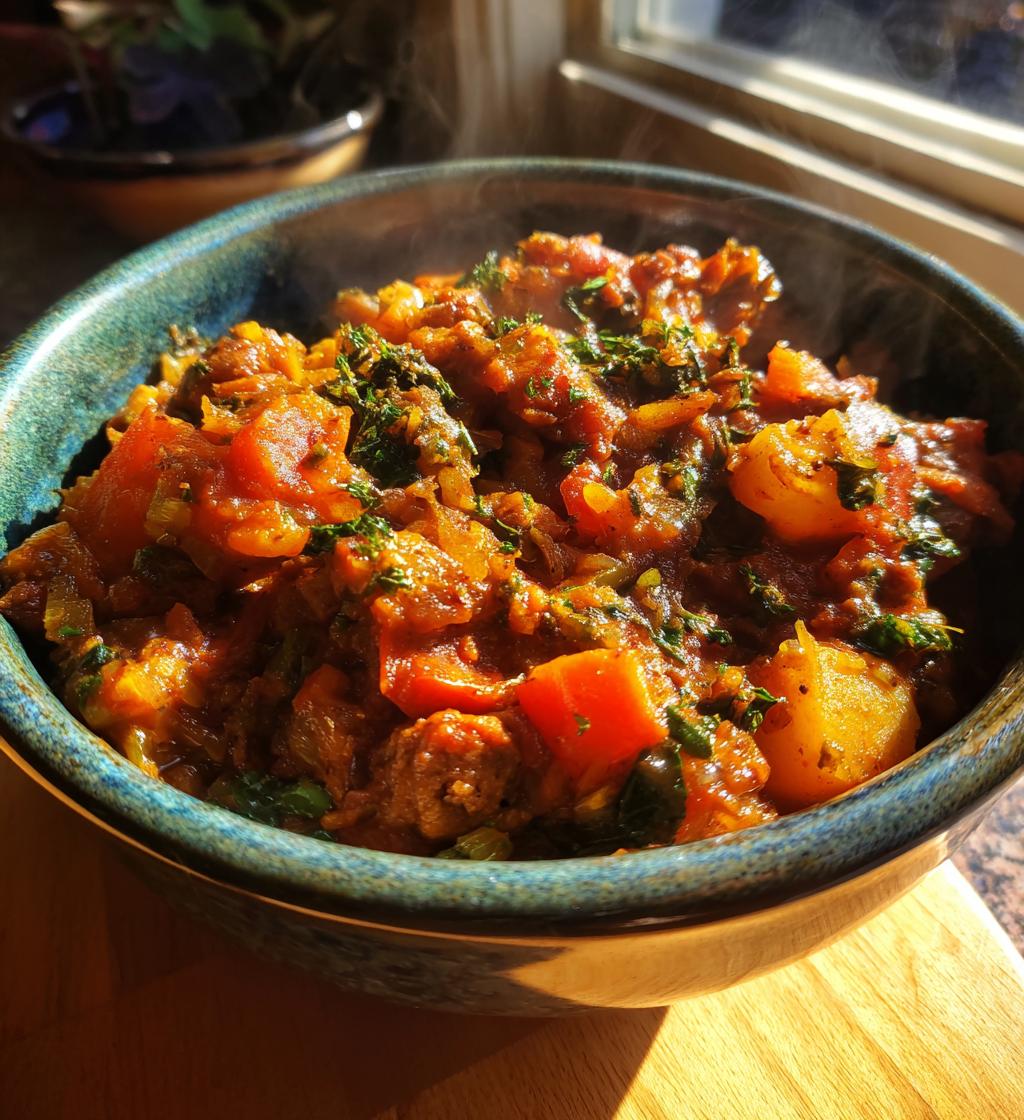
When it comes to comfort food, nothing quite compares to the rich, vibrant world of African soups and stews. Each bowl is a celebration of flavors that tell stories of diverse cultures and traditions. From the spicy warmth of a Moroccan tagine to the hearty, vegetable-packed stews of West Africa, these dishes bring people together around the table, creating cherished memories and connections. I absolutely love how these recipes reflect the heart of African cuisine, showcasing local ingredients and age-old techniques passed down through generations.
As I dive into these recipes, I’m always amazed at how a few simple ingredients can transform into something so full of life and flavor. Whether you’re looking for a cozy weeknight dinner or a dish to impress guests, African soups and stews are versatile, nourishing, and deeply satisfying. Join me on this culinary journey as we explore the secrets behind these incredible dishes!
Ingredients for African Soups and Stews
To create a delicious pot of African soups and stews, you’ll need a few key ingredients that come together to create a symphony of flavors. Let’s gather our essentials!
- 2 cups of chopped vegetables (feel free to use your favorites like carrots, bell peppers, or spinach)
- 1 pound of meat (choose from chicken, beef, or lamb, based on your preference)
- 4 cups of broth or water (homemade broth is best, but store-bought works just fine)
- 1 onion, chopped (this adds a lovely sweetness)
- 2 cloves of garlic, minced (because who doesn’t love garlic?)
- 1 tablespoon of oil (I prefer olive oil or vegetable oil for sautéing)
- 1 tablespoon of spices (cumin and coriander are my go-to, but feel free to mix it up)
- Salt and pepper to taste (don’t skimp on this, it really brings everything together!)
These ingredients are just the beginning, and one of the best parts is how adaptable they are. You can swap out veggies or even the meat for beans if you’re going vegetarian. Trust me, you’ll have a hearty meal either way!
How to Prepare African Soups and Stews
Now that we have our ingredients, it’s time to bring everything together and create a delicious pot of African soup or stew! The process is quite straightforward, and I promise it’ll fill your kitchen with mouthwatering aromas. Let’s dive in!
Step 1: Sauté Aromatics
First, we’ll heat the oil in a large pot over medium heat. You want it hot enough to shimmer but not smoking—about 1-2 minutes should do the trick. Once the oil is ready, toss in the chopped onion and minced garlic. Sauté these for about 3-5 minutes until the onion is translucent and the garlic is fragrant. This step is crucial because it lays the flavor foundation for your stew.
Step 2: Brown the Meat
Next up, it’s time to add in your choice of meat. I usually cut it into bite-sized pieces for even cooking. Carefully add the meat to the pot, letting it brown on all sides. This should take around 5-7 minutes. Browning is important because it creates a rich flavor and color—don’t rush this part! You want those beautiful, caramelized bits to develop.
Step 3: Combine Ingredients
Now, it’s time to bring in the vegetables and spices! Add your chopped veggies and the tablespoon of spices (cumin and coriander work wonders here) to the pot. Stir everything together, making sure the spices coat the meat and veggies nicely. This should take about 2 minutes—just enough time to get everything well-mixed and aromatic.
Step 4: Simmer the Stew
Finally, pour in the broth or water, making sure to scrape any brown bits off the bottom of the pot—those are pure flavor! Bring everything to a boil, and once it’s bubbling away, reduce the heat and let it simmer. You’ll want to let it bubble gently for about 30-40 minutes. This allows all those flavors to meld beautifully, creating a rich, satisfying stew. Make sure to check in on it occasionally, stirring gently and adjusting the heat if needed.
Why You’ll Love This Recipe
- Rich Flavors: Each bowl is a delightful explosion of spices and flavors, reflecting the heart and soul of African cuisine. You’ll find every spoonful bursting with warmth and depth!
- Versatility: This recipe is incredibly adaptable! Switch up the veggies or choose different meats to cater to your taste or dietary needs. You can even go vegetarian with beans for a hearty alternative!
- Easy Preparation: With straightforward steps, you don’t need to be a culinary expert to make these soups and stews. Just follow along, and you’ll impress everyone with a comforting meal!
- One-Pot Wonder: Who doesn’t love minimal cleanup? Everything cooks in one pot, which means less mess in the kitchen and more time to enjoy your delicious creation!
- Perfect for Any Occasion: Whether it’s a cozy family dinner or a gathering with friends, these soups and stews are sure to please and bring everyone together around the table.
Tips for Success with African Soups and Stews
Getting the most out of your African soups and stews is all about a few simple tips and tricks that can elevate your dish to the next level. Trust me, I’ve learned these through trial and error, and I’m excited to share them with you!
- Don’t Rush the Browning: Take your time when browning the meat. It’s a crucial step that adds depth to the flavor. If you crowd the pot or turn the heat up too high, you’ll end up steaming instead of browning—no good! Aim for that beautiful golden color, and you’ll thank yourself later.
- Use Fresh Ingredients: Whenever possible, opt for fresh vegetables and herbs. They really make a difference in flavor and texture. Dried spices can be great, but fresh garlic, onions, and vegetables contribute vibrant taste and nutrients that really shine in your stew.
- Season as You Go: Don’t wait until the end to season your dish. Add salt and pepper at various stages throughout cooking. This helps build layers of flavor that stick around in every bite. Just be careful not to overdo it at first; you can always add more later!
- Adjust the Liquid: Depending on how thick or thin you like your stew, feel free to adjust the amount of broth or water. If you prefer a heartier stew, use a bit less liquid. If you want more of a soup, add a little more. You’re the boss here!
- Let It Rest: If you can, let your stew sit for a few minutes before serving. This resting time allows the flavors to meld even more. It’s just like how a good wine gets better when it breathes!
- Don’t Forget the Accompaniments: Serve your stew with a side of rice, bread, or even a fresh salad. These sides can beautifully complement the rich flavors of your stew and make for a complete meal that’s satisfying and nutritious.
Following these tips will not only enhance your cooking experience but will also ensure that your African soups and stews turn out absolutely delicious every time. Happy cooking!
Variations of African Soups and Stews
The beauty of African soups and stews lies in their versatility! There’s no one-size-fits-all approach, and I love how you can adapt this recipe based on what you have on hand or what flavors you’re craving. Here are some delightful variations to inspire your culinary creativity:
- Different Proteins: While chicken, beef, and lamb are fantastic, don’t hesitate to switch things up! Try using goat meat, which adds a unique flavor, or even fish for a lighter option. For a vegetarian twist, add hearty beans or lentils to create a filling and satisfying stew.
- Seasonal Vegetables: Take advantage of seasonal produce! In the summer, throw in zucchini and corn for a fresh touch, while winter calls for root vegetables like sweet potatoes or turnips. You can even add leafy greens like kale or collard greens towards the end of cooking for extra nutrients.
- Spice It Up: Experiment with different spices to create your signature flavor. Instead of cumin and coriander, try curry powder for a South Asian flair, or harissa for a North African kick! Don’t be afraid to play around with chili flakes or fresh chilies if you like it hot!
- Nutty Additions: For a creamy texture and rich flavor, consider adding a spoonful of peanut butter or ground nuts to your stew. This is especially popular in West African cuisine, where it enhances the dish’s richness beautifully.
- Herb Infusion: Fresh herbs can elevate your stew to new heights! Add a handful of chopped cilantro, parsley, or basil right before serving for a burst of freshness. You can also toss in bay leaves or thyme while simmering for an aromatic touch.
These variations are just the tip of the iceberg! Don’t be afraid to get creative and make this recipe your own. Each change brings a new story and flavor experience to the table. Happy experimenting!
Nutritional Information
Understanding the nutritional value of our African soups and stews is just as important as mastering the recipe! Here’s a breakdown of the estimated nutrition for one serving, which is about 1 cup. Keep in mind that these values can vary depending on the specific ingredients and portions you choose to use.
- Calories: 350
- Fat: 15g
- Saturated Fat: 5g
- Unsaturated Fat: 8g
- Trans Fat: 0g
- Cholesterol: 70mg
- Sodium: 600mg
- Carbohydrates: 30g
- Fiber: 5g
- Sugar: 4g
- Protein: 25g
These hearty soups and stews not only warm the soul but also provide a balanced meal packed with nutrients. Feel free to adjust the ingredients to meet your dietary needs or preferences, ensuring you keep the flavors vibrant while nourishing your body!
FAQ About African Soups and Stews
Got questions about African soups and stews? Don’t worry, I’ve got answers! Here are some common queries I’ve encountered, along with my personal insights to help you on your cooking journey.
Q1: Can I make this soup or stew vegetarian?
Absolutely! You can easily swap out the meat for beans, lentils, or chickpeas to create a hearty vegetarian version. Just make sure to adjust your cooking time; beans and lentils typically take less time to cook than meats, so you can add them later in the simmering process.
Q2: What vegetables work best in these soups and stews?
The beauty of this recipe is its versatility! You can use any vegetables you enjoy or have on hand. Some popular choices include carrots, bell peppers, sweet potatoes, and greens like spinach or kale. Just keep in mind that tougher vegetables like carrots may need a bit longer to cook than softer ones.
Q3: How can I adjust the spice level?
If you like things spicy, feel free to add some chili flakes or fresh chilies to the pot! Start with a small amount, taste as you go, and adjust according to your preference. Remember, it’s easier to add more spice than to take it away!
Q4: Can I freeze leftovers?
You bet! These soups and stews freeze beautifully. Just let them cool completely, then store in airtight containers or freezer bags. When you’re ready to enjoy again, simply thaw in the fridge and reheat on the stove. It’s like having a little taste of Africa waiting for you on busy nights!
Q5: What should I serve with African soups and stews?
These dishes are fantastic on their own, but I love serving them with a side of rice, couscous, or crusty bread. They help soak up all that delicious broth and make for a complete meal. You can also pair them with a fresh salad for a pop of color and crunch!
Q6: How can I make this recipe gluten-free?
This recipe is already gluten-free, as it doesn’t call for any gluten-containing ingredients! Just be sure to check the labels on your broth and any condiments you might use to make sure they’re gluten-free as well.
I hope these answers help you feel more confident in your cooking adventure with African soups and stews! If you have any other questions, feel free to reach out. Happy cooking!
Print
African Soups and Stews: 5 Comforting Recipes to Savor
- Total Time: 55 minutes
- Yield: 4 servings 1x
- Diet: Gluten Free
Description
A collection of traditional African soups and stews that showcases rich flavors and diverse ingredients.
Ingredients
- 2 cups of chopped vegetables
- 1 pound of meat (chicken, beef, or lamb)
- 4 cups of broth or water
- 1 onion, chopped
- 2 cloves of garlic, minced
- 1 tablespoon of oil
- 1 tablespoon of spices (cumin, coriander)
- Salt and pepper to taste
Instructions
- Heat oil in a large pot over medium heat.
- Add chopped onion and garlic, sauté until soft.
- Add meat and brown on all sides.
- Add vegetables and spices, stir well.
- Pour in broth or water, bring to a boil.
- Reduce heat and simmer for 30-40 minutes.
- Season with salt and pepper, serve hot.
Notes
- Can substitute meat with beans for a vegetarian option.
- Adjust spices according to taste.
- Serve with rice or bread for a complete meal.
- Prep Time: 15 minutes
- Cook Time: 40 minutes
- Category: Soups and Stews
- Method: Stovetop
- Cuisine: African
Nutrition
- Serving Size: 1 cup
- Calories: 350
- Sugar: 4g
- Sodium: 600mg
- Fat: 15g
- Saturated Fat: 5g
- Unsaturated Fat: 8g
- Trans Fat: 0g
- Carbohydrates: 30g
- Fiber: 5g
- Protein: 25g
- Cholesterol: 70mg
Keywords: African soups, African stews, traditional recipes