
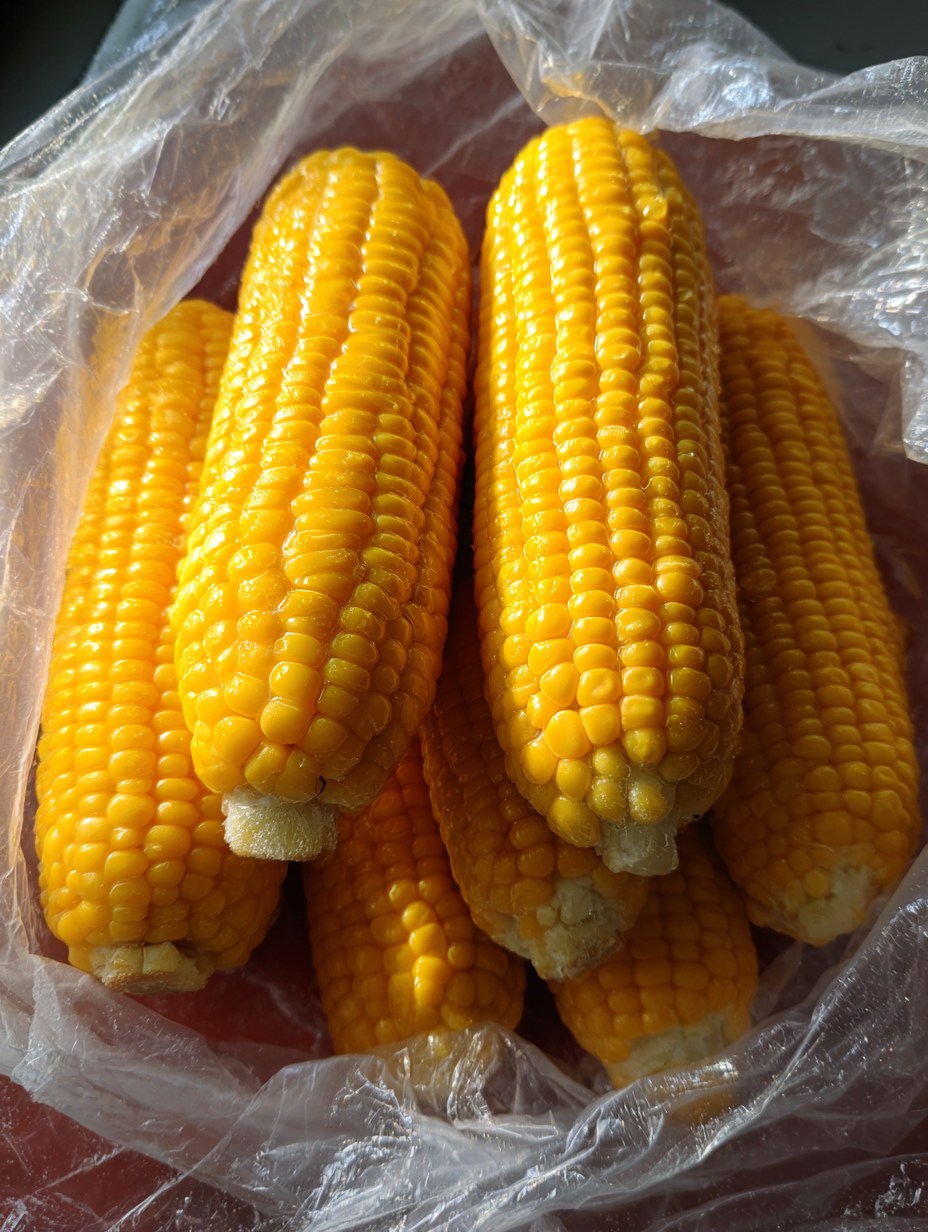
Freezing corn on the cob is a fantastic way to preserve the sweet, juicy flavor of summer corn for enjoyment all year round. In this ultimate guide, we will explore the process of freezing corn on the cob to ensure you achieve perfect results every time.
This method is perfect for those who want to enjoy fresh corn long after the harvest season. With a few straightforward steps, you can maintain the taste and nutritional value of corn while eliminating waste.
The key benefit of this method lies in its simplicity and efficiency. Freezing corn on the cob allows you to capture the peak freshness and flavor, making it a staple ingredient in your kitchen throughout the year.
Why Make freezing corn on the cob?
Freezing corn on the cob offers numerous advantages.
- Preserves Flavor: Freezing helps lock in the sweet taste of corn, making every bite enjoyable.
- Nutritional Value: This method retains essential nutrients, making frozen corn a healthy choice.
- Convenience: Having frozen corn on hand allows for quick meal prep and easy additions to various dishes.
- Cost-effective: Freezing corn reduces waste and allows you to enjoy seasonal produce year-round.
History and Origin of freezing corn on the cob
The practice of freezing corn dates back to the early 20th century, when home preservation methods became popular. As technology improved, freezing became a preferred method for preserving food due to its efficiency and convenience.
Today, freezing corn on the cob has gained popularity in households across the globe. Many families cherish the ability to enjoy fresh corn even during the colder months.
People love making this recipe at home because it connects them to the essence of summer and the joy of harvesting their own produce.
Ingredients for freezing corn on the cob
To get started with freezing corn on the cob, you’ll need the following ingredients.
- 6-8 ears of fresh sweet corn
- Water for blanching
- Ice for cooling
- Plastic freezer bags or vacuum seal bags
- Optional: salt or butter for seasoning before freezing
According to experts at Healthline, these ingredients provide valuable nutritional value.
How to Choose the Best Ingredients
Selecting the right corn is crucial for optimal results.
- Look for Freshness: Choose ears with bright green husks that are tightly wrapped around the kernels.
- Check for Plump Kernels: Gently press on the kernels; they should feel firm and plump under your fingers.
- Avoid Overripe Corn: Stay away from ears with dried or brown silk; this indicates the corn is past its prime.
How to Make freezing corn on the cob Step by Step
Follow these straightforward steps for freezing corn on the cob.
- Fill a large pot with water and bring it to a boil.
- While waiting, prepare an ice bath in a large bowl with cold water and ice.
- Remove the husks and silk from the corn.
- Once the water is boiling, blanch the corn for 4-6 minutes.
- Immediately transfer the corn to the ice bath to stop the cooking process.
- Cool for the same duration as blanching, then drain well.
- Cut the kernels off the cob if desired, or leave them whole.
- Place the corn in plastic freezer bags or vacuum seal bags, removing as much air as possible.
Check out our full collection of recipes.
Tips and Tricks for the Best freezing corn on the cob
Follow these expert tips for optimal results when freezing corn on the cob.
- Choose Fresh Corn: Select ears that are plump and green. Fresh corn ensures the best flavor and texture after freezing.
- Blanching is Essential: Blanching corn helps preserve its color and nutrients. This process also enhances the sweet taste of the corn.
- Cool Quickly: After blanching, cool the corn quickly in ice water. This stops the cooking process and retains the desired crunch.
- Use Airtight Packaging: Store corn in airtight freezer bags or containers. This prevents freezer burn and maintains quality.
- Label and Date: Always label your packages with the date. This helps you keep track of freshness and ensures optimal taste.
Variations and Serving Ideas
Try adding spices to your corn before freezing for a flavor boost. Seasoning blends like chili powder and lime create a unique twist.
For a sweet treat, mix corn with honey and cinnamon before freezing. This adds a delightful flavor perfect for desserts.
Use frozen corn in soups and casseroles for added sweetness and texture. It enhances dishes while providing essential nutrients.
Seasonal Variations
In spring and summer, pair frozen corn with fresh herbs for a refreshing salad. This combination is perfect for picnics and barbecues.
During autumn, incorporate frozen corn into chili recipes. It adds sweetness and complements the spices used in hearty dishes.
In winter, blend frozen corn into creamy soups. It provides warmth and comfort during colder months.
Making It for Kids and Family
Kids love the sweet taste and bright color of corn on the cob. It’s a fun, interactive food that they can enjoy.
Adapt the recipe by offering various dips, like ranch or cheese sauce. This encourages kids to experiment with flavors.
Storage and Reheating
Store frozen corn in the coldest part of the freezer. It should last up to a year if properly packaged.
To reheat, simply steam or microwave the corn until heated through. This method preserves the texture and flavor.
Nutrition Facts (per serving)
- Calories: 77 kcal
- Protein: 3g
- Carbohydrates: 17g
- Fat: 1g
- Fiber: 2g
- Sugar: 6g
- Sodium: 15mg
Frequently Asked Questions About freezing corn on the cob
How long does freezing corn on the cob last?
Frozen corn on the cob can last up to a year if stored properly. Always check for signs of freezer burn before use.
Can I freeze corn on the cob without blanching?
While it’s possible, blanching is recommended for best flavor and quality. It helps retain nutrients during freezing.
What is the best way to thaw frozen corn on the cob?
The best way to thaw is in the refrigerator overnight. This keeps the corn at a safe temperature while thawing.
Can I freeze corn on the cob with the husk on?
It’s best to remove the husk before freezing. This ensures even freezing and easier storage.
What are some recipes using frozen corn on the cob?
Frozen corn can be used in salads, soups, or casseroles. It adds flavor and nutrition to many dishes.
Conclusion
In conclusion, mastering the art of freezing corn on the cob will allow you to enjoy its sweet flavor year-round. By following the proper techniques and tips, you can preserve this delightful vegetable for many delicious meals. Don’t hesitate to try your hand at freezing corn on the cob and share the joy with your family.
See also our other recipes.