
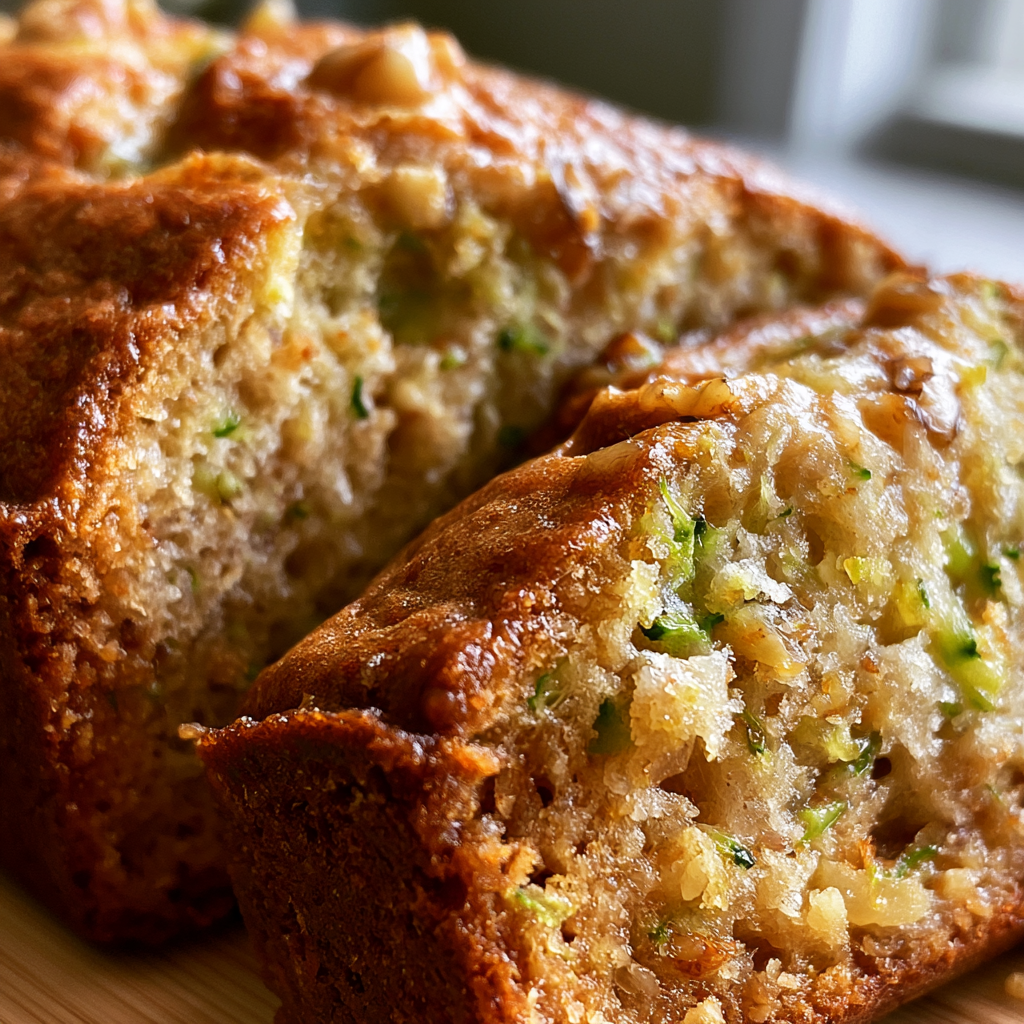
How to Make Pasta from Scratch in Just 10 Minutes
Learning how to make pasta from scratch is an essential skill that every home cook should master. Not only does it save you time on busy weeknights, but it also allows you to create an incredibly delicious base for your favorite sauces. Have you ever wondered how restaurant chefs achieve that perfect texture that store-bought pasta often lacks? With just a few simple ingredients, you can make fresh pasta that your family will rave about. Imagine the aroma of freshly cooked pasta filling your kitchen, the golden hue of the dough, and the delightful taste of each tender bite—it’s truly a culinary experience to cherish.
Homemade pasta has a unique flavor and texture that you simply cannot replicate with store-bought options. When you roll out your dough, you’ll notice its silky smoothness and elasticity, which will yield a perfectly tender bite when cooked. The best part? You can customize your pasta shape and thickness to suit any dish—from spaghetti to fettuccine. As you take that first forkful, the taste of fresh pasta will transport you straight to Italy, making every meal feel like a special occasion.
Furthermore, fresh pasta is not only about taste; it’s also about health. By making your own pasta at home, you control the ingredients. This means you can avoid preservatives and additives found in many commercial pasta varieties. Fresh pasta is rich in nutrients and can be tailored to fit various diets, making it an excellent choice for your family dinners. So, are you ready to roll up your sleeves and learn how to make pasta from scratch? Let’s dive into the health benefits of the main ingredients and why this recipe stands out from the rest.
Health Benefits
The primary ingredients in this homemade pasta recipe are simple yet packed with benefits. First, let’s talk about all-purpose flour. This staple is a great source of carbohydrates, offering energy for your daily activities. It contains essential nutrients like B vitamins and iron, which are vital for metabolism and oxygen transport in your body.
Next, we have eggs. They are a powerhouse of nutrition, providing high-quality protein that helps in muscle repair and growth. Eggs also contain important vitamins such as Vitamin D, which supports bone health, and choline, which is crucial for brain development.
Additionally, the salt in this recipe not only enhances flavor but also plays a crucial role in maintaining electrolyte balance in your body. When combined with the olive oil (if you choose to add it), you introduce healthy fats that are beneficial for heart health and can improve the absorption of fat-soluble vitamins.
Did you know that fresh pasta can have a lower glycemic index compared to dried pasta? This means it can help maintain stable blood sugar levels, making it a better choice for those watching their carbohydrate intake.
Why This Recipe
This specific version of homemade pasta is better than others because it requires minimal ingredients and can be completed in just ten minutes. Unlike other recipes that may require resting the dough for long periods, this quick method allows you to enjoy fresh pasta without the wait. The technique involves a simple mixing and kneading process that anyone, even beginners, can master.
Moreover, the versatility of this recipe makes it a favorite among families. You can easily adjust the thickness of the dough and create various pasta shapes, making it a fun activity to do with kids or friends. Whether you’re preparing a weeknight dinner or hosting a dinner party, this homemade pasta will impress your guests and leave them asking for seconds.
Quick Summary
Preparation time for this recipe is only 10 minutes, with a cooking time of 2-4 minutes. This makes it perfect for a quick weeknight dinner or meal prep. The skill level is suitable for beginners, and it can easily serve as a base for various dishes, from classic spaghetti and meatballs to a creamy fettuccine alfredo.
What is Homemade Pasta?
Homemade pasta is a fresh, versatile dish made using simple ingredients: flour, eggs, salt, and sometimes olive oil. It differs from dried pasta in texture and flavor, offering a richer experience when cooked. Making pasta from scratch allows you to customize the shape and thickness, ensuring a perfect fit for any sauce or dish you desire.
Why You Will Love This Recipe
- Quick preparation time of just 10 minutes.
- Freshly made pasta tastes superior to store-bought options.
- Customizable thickness and shapes for various dishes.
- Healthier option by controlling ingredients and avoiding additives.
- Fun and engaging activity for families and friends.
Ingredients You Need
- 2 cups all-purpose flour – The base for your pasta, providing structure and texture.
- 3 large eggs – Adds richness, flavor, and essential nutrients.
- 1/2 teaspoon salt – Enhances flavor and aids in hydration.
- 1 tablespoon olive oil (optional) – Adds flavor and can improve texture.
- Water as needed – Used to adjust the dough consistency if necessary.
How to Make Homemade Pasta Step by Step
- In a large mixing bowl, combine the all-purpose flour and salt. Make a well in the center and crack the eggs into this well.
- Using a fork, beat the eggs lightly and gradually incorporate the flour from the edges of the well until a shaggy dough forms.
- Transfer the dough onto a floured surface and knead for about 5 minutes until smooth and elastic. If the dough is too dry, add a little water; if too sticky, add more flour.
- Wrap the dough in plastic wrap and let it rest for at least 30 minutes. (If you’re in a hurry, you can skip this step, but resting improves texture.)
- After resting, divide the dough into four pieces. Roll each piece out using a pasta machine or a rolling pin to your desired thickness.
- Cut the rolled-out dough into your preferred shapes (fettuccine, lasagna, etc.). Dust with flour to prevent sticking.
- Bring a large pot of salted water to a boil. Add your fresh pasta and cook for 2-4 minutes, depending on thickness.
- Drain the pasta and serve immediately with your favorite sauce.
Pro Tip: Use room temperature eggs for better incorporation into the flour.
Pro Tip: Knead the dough until it springs back when pressed.
Pro Tip: Fresh pasta cooks faster than dried, so keep an eye on it!
Expert Tips for Best Results
- Always use high-quality flour for better flavor and texture.
- Make sure your eggs are at room temperature for easier mixing.
- Don’t skip resting the dough; it helps gluten relax for easier rolling.
- Use a pasta machine for even thickness if available.
- Dust your pasta with flour to prevent sticking during the cutting process.
- Experiment with different flours like semolina or whole wheat for unique flavors.
Variations and Substitutions
- Gluten-free option: Use a gluten-free flour blend to make your pasta suitable for gluten-sensitive individuals.
- Herbed pasta: Incorporate finely chopped fresh herbs like basil or spinach into the dough for added flavor and nutrition.
- Colored pasta: Add vegetable purees (like beet or spinach) to the dough for vibrant color and taste.
- Stuffed pasta: Create ravioli by filling the pasta with your choice of cheese, meat, or vegetables.
How to Serve and Store
Serve your homemade pasta with a variety of sauces such as marinara, pesto, or creamy alfredo. You can also pair it with sautéed vegetables or grilled meats for a complete meal.
For storage, fresh pasta can be kept in the refrigerator for up to 2 days. If you want to store it longer, you can freeze it for up to 2 months. To freeze, lay the pasta flat on a baking sheet until firm, then transfer it to an airtight container. When reheating, cook directly from frozen in boiling water for the best results.
Frequently Asked Questions
Can I make pasta without a machine?
Yes, you can roll it out by hand using a rolling pin.
How long does fresh pasta last?
Fresh pasta can last up to 2 days in the fridge or 2 months in the freezer.
What type of flour is best for pasta?
All-purpose flour works well, but semolina flour can add a different texture.
Can I add spinach to my pasta dough?
Absolutely! Spinach puree can give your pasta a beautiful green color and extra nutrients.
Is homemade pasta healthier than store-bought?
Yes, because you control the ingredients and avoid preservatives.
Can I make pasta ahead of time?
Yes, you can prepare the dough in advance and store it in the fridge for up to 2 days.
In conclusion, learning how to make pasta from scratch is a rewarding experience that enhances your cooking skills. Not only does it allow you to create a delicious dish, but it’s also a healthier alternative to store-bought options. By making fresh pasta, you benefit from high-quality ingredients and can customize it to your taste. Try this recipe today and leave a comment below!
Print
How to Make Pasta from Scratch in Just 10 Minutes
- Total Time: 40
- Yield: 4 servings 1x
Description
Learn how to make pasta from scratch with this easy recipe. Fresh homemade pasta is delicious and can be used in a variety of dishes.
Ingredients
- 2 cups all-purpose flour (plus extra for dusting)
- 3 large eggs
- 1/2 teaspoon salt
- 1 tablespoon olive oil (optional)
- Water as needed
Instructions
- On a clean surface or in a large bowl, mound the flour and create a well in the center.
- Add the eggs, salt, and olive oil into the well. Use a fork to beat the eggs gently, gradually incorporating the flour from the edges of the well.
- Once the mixture is too stiff to mix with a fork, use your hands to bring the dough together.
- Knead the dough for about 8-10 minutes until smooth and elastic. If the dough is sticky, sprinkle a little more flour as needed.
- Wrap the dough in plastic wrap and let it rest for at least 30 minutes at room temperature.
- After resting, divide the dough into four pieces. Keep the pieces covered to prevent drying.
- Roll out each piece of dough using a pasta machine or a rolling pin until thin. Dust with flour as needed to prevent sticking.
- Cut the rolled-out dough into your desired pasta shape (fettuccine, tagliatelle, etc.).
- Cook the pasta in boiling salted water for 2-4 minutes until al dente. Drain and serve with your favorite sauce.
Notes
- You can add spinach, beet juice, or other ingredients to the dough for colored pasta.
- Make sure to keep your workspace and dough lightly floured to prevent sticking.
- Fresh pasta cooks much quicker than dried pasta, so keep an eye on it while cooking.
- Prep Time: 10
- Cook Time: 24
- Category: Main Course
- Cuisine: Italian
Keywords: how to make pasta from scratch, homemade pasta, fresh pasta recipe