
How to Make Sushi Rice: 5 Secrets for Perfection
Are you eager to learn how to make sushi rice? This fundamental skill is essential for creating authentic sushi at home. Mastering sushi rice not only saves time but also elevates your sushi dishes, making them incredibly flavorful. Have you ever wondered why restaurant sushi tastes so different from homemade versions? The secret often lies in the rice!
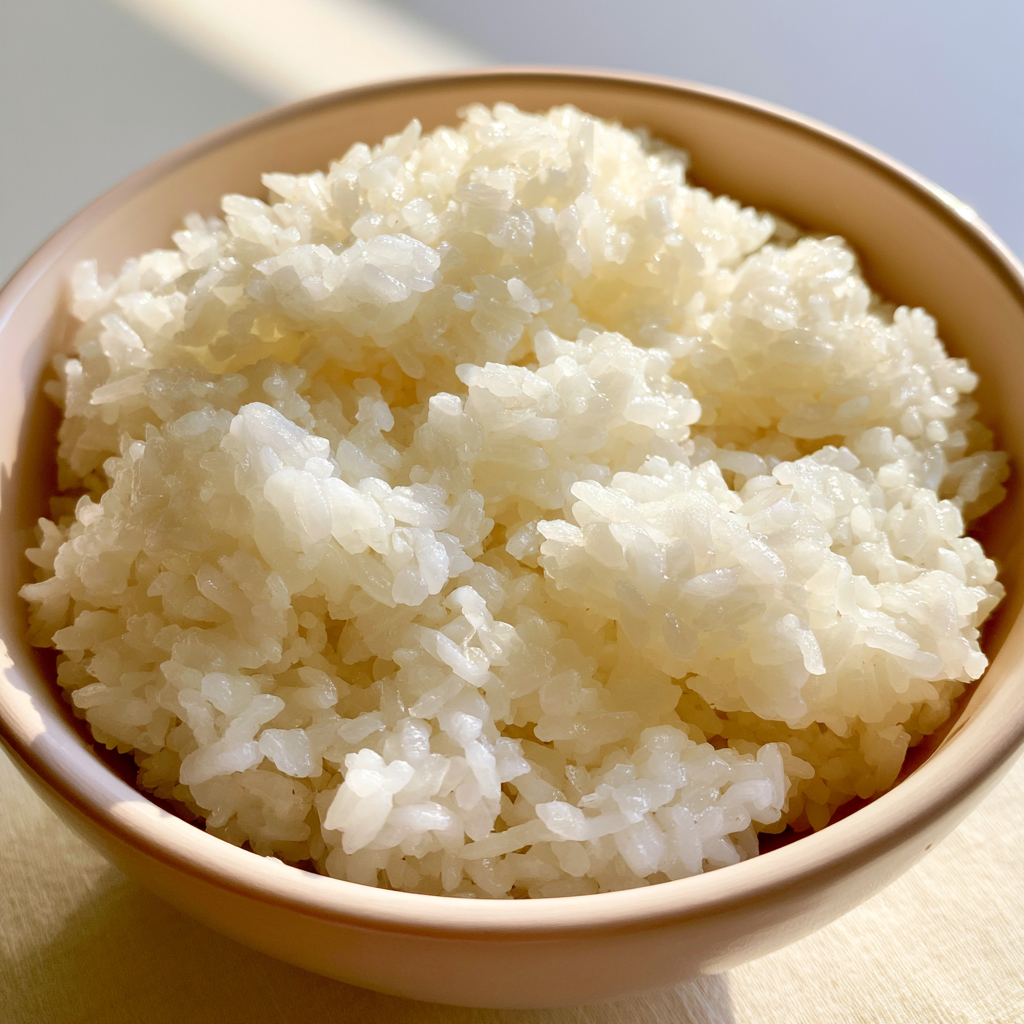
Imagine the scent of freshly cooked rice wafting through your kitchen, its glossy grains glistening under the light. The texture is fluffy yet sticky, perfect for rolling or molding. When you take that first bite, the warm, slightly tangy rice complements the freshness of the fish or vegetables, creating a symphony of flavors in your mouth. This is the experience you’ll achieve when you learn how to make sushi rice correctly.
Moreover, sushi rice is not just a delicious component; it also provides several health benefits. Sushi rice is primarily made from Japanese short-grain rice, which is rich in carbohydrates, giving you energy. Additionally, it contains essential nutrients such as vitamins and minerals. For example, it offers valuable B vitamins and iron, which are crucial for your overall health. Did you know that consuming sushi rice can also help maintain stable blood sugar levels due to its low glycemic index?
In addition to its nutritional value, the ingredients used to make sushi rice—like rice vinegar and salt—enhance its health benefits. Rice vinegar contains acetic acid, which can help with digestion and absorption of nutrients. The slight sweetness from sugar adds a nice balance to the flavor profile. It’s no wonder sushi rice is a staple in Japanese cuisine!
Now, you might be wondering why this recipe for sushi rice stands out from the rest. This version incorporates time-tested techniques and specific ratios of ingredients that guarantee a sticky yet fluffy texture. Unlike other recipes that may overlook the importance of rinsing the rice, this method emphasizes it, ensuring that you achieve the best results. This recipe is perfect for families, beginners, or anyone looking to impress guests with homemade sushi.
In summary, making sushi rice is a straightforward process that requires attention to detail. You’ll need to know the right ingredients and techniques to create the ideal texture and flavor. This recipe is designed to be user-friendly, enabling you to whip up sushi rice in no time.
Prep time: 10 minutes, Cook time: 20 minutes, Servings: 4. Skill level: Beginner. Perfect for: weeknight dinners or meal prep.
What is Sushi Rice?
Sushi rice, known as shari or sumeshi in Japanese, is a short-grain rice that becomes sticky when cooked. This stickiness is essential for sushi, as it helps the rice hold together when rolled or molded. Sushi rice is typically seasoned with a mixture of rice vinegar, sugar, and salt, giving it a slightly sweet and tangy flavor that complements various sushi fillings.
Why You Will Love This Recipe
- Easy to follow: This recipe breaks down the process into simple steps, making it accessible for beginners.
- Perfect texture: Achieve the ideal balance of stickiness and fluffiness.
- Versatile: Use this sushi rice for various sushi types, including rolls, nigiri, and more.
- Health benefits: Packed with nutrients, sushi rice can be a part of a balanced diet.
- Customizable: Adjust the seasoning to suit your taste preferences.
Ingredients You Need
- Japanese short-grain rice: This rice is essential for achieving the right texture.
- Water: Needed for cooking the rice.
- Rice vinegar: Adds flavor and helps preserve the rice.
- Sugar: Balances the acidity of the vinegar.
- Salt: Enhances the overall flavor of the rice.
How to Make Sushi Rice Step by Step
- Begin by rinsing 2 cups of Japanese short-grain rice under cold water until the water runs clear. This removes excess starch, preventing the rice from becoming gummy during cooking.
- Soak the rinsed rice in fresh water for about 30 minutes. This allows the grains to absorb some water, improving the cooking process.
- Drain the rice and transfer it to a rice cooker or pot. Add 2 cups of water to the rice.
- If using a rice cooker, set it to the white rice setting. If using a pot, bring the water to a boil, then reduce the heat to low and cover, cooking for 18-20 minutes.
- Once cooked, let the rice sit covered for 10 minutes to allow it to steam and finish cooking.
- In a small bowl, mix 1/3 cup of rice vinegar, 3 tablespoons of sugar, and 1 teaspoon of salt. Heat gently until the sugar and salt dissolve.
- Transfer the cooked rice to a large bowl and gently fold in the vinegar mixture using a wooden spatula. Be careful not to mash the rice.
- Let the rice cool to room temperature before using it for sushi.
Pro Tip: Rinse the rice well to enhance the texture and avoid clumping.
Pro Tip: Use a cutting motion to mix the rice, preserving its texture.
Expert Tips for Best Results
- Always use Japanese short-grain rice for the best texture and flavor.
- Adjust the vinegar mixture to your taste; some prefer a sweeter or saltier flavor.
- If you don’t have a rice cooker, a heavy-bottomed pot works well too.
- For added flavor, consider adding a piece of kombu (dried seaweed) while cooking the rice.
- Use a fan or a piece of cardboard to cool the rice quickly after mixing in the vinegar mixture.
- Practice makes perfect! Don’t worry if your first attempt isn’t flawless; keep trying!
Variations and Substitutions
- Dairy-free option: This recipe is naturally dairy-free.
- Low-sugar option: Reduce the sugar in the vinegar mixture for a less sweet flavor.
- Brown rice sushi: Use short-grain brown rice for a whole grain option, though cooking times may vary.
- Seasonal herbs: Add fresh herbs like basil or mint to the rice for a unique flavor.
How to Serve and Store
To serve, use sushi rice as a base for your favorite sushi rolls, nigiri, or poke bowls. You can also serve it as a side dish for various Japanese meals. For storage, keep the sushi rice in an airtight container in the fridge for up to 3 days. Freezing is not recommended as it compromises texture. When reheating, gently steam the rice to restore its moisture.
Frequently Asked Questions
Can I use regular rice for sushi?
No, regular rice won’t provide the same sticky texture required for sushi.
How long does it take to make sushi rice?
Overall, it takes about 60 minutes, including soaking and cooking time.
Is sushi rice gluten-free?
Yes, sushi rice is gluten-free as it is made from rice and does not contain wheat.
Can I make sushi rice in advance?
Yes, you can prepare sushi rice a day in advance; just store it properly in the fridge.
What can I use sushi rice for besides sushi?
Sushi rice can be used for poke bowls, rice salads, or as a side dish for various meals.
How do I know if my sushi rice is cooked properly?
The rice should be sticky and tender but not mushy. Each grain should hold its shape.
In conclusion, learning how to make sushi rice is an essential skill for any sushi enthusiast. Mastering this recipe not only enhances your sushi-making experience but also allows you to create healthy, homemade sushi that your family will love. Try this recipe today and leave a comment below!
Print
How to Make Sushi Rice: 5 Secrets for Perfection
- Yield: 4 servings 1x
- Diet: Vegetarian
Description
Learn how to make perfect sushi rice with this easy recipe. Ideal for all your sushi-making needs!
Ingredients
- 2 cups Japanese short-grain rice
- 2 1/2 cups Water
- 1/3 cup Rice vinegar
- 3 tablespoons Sugar
- 1 teaspoon Salt
Instructions
- Rinse the rice under cold water until the water runs clear to remove excess starch.
- Combine the rinsed rice and water in a rice cooker and cook according to the manufacturer’s instructions. If using a pot, bring to a boil, then cover and simmer on low for 20 minutes.
- While the rice is cooking, combine the rice vinegar, sugar, and salt in a small saucepan over low heat. Stir until the sugar and salt are dissolved, then remove from heat.
- Once the rice is cooked, let it sit covered for 10 minutes. Then transfer it to a large bowl.
- Pour the vinegar mixture over the rice and gently fold it in using a spatula. Be careful not to mash the rice.
- Let the sushi rice cool to room temperature before using it to make sushi.
Notes
- Make sure to use Japanese short-grain rice for the best texture.
- You can adjust the vinegar, sugar, and salt to taste based on your preference.
- Category: Main Course
- Method: Stovetop or Rice Cooker
- Cuisine: Japanese
Nutrition
- Calories: 300
- Sugar: 5
- Sodium: 200
- Fat: 0
- Carbohydrates: 66
- Protein: 6