
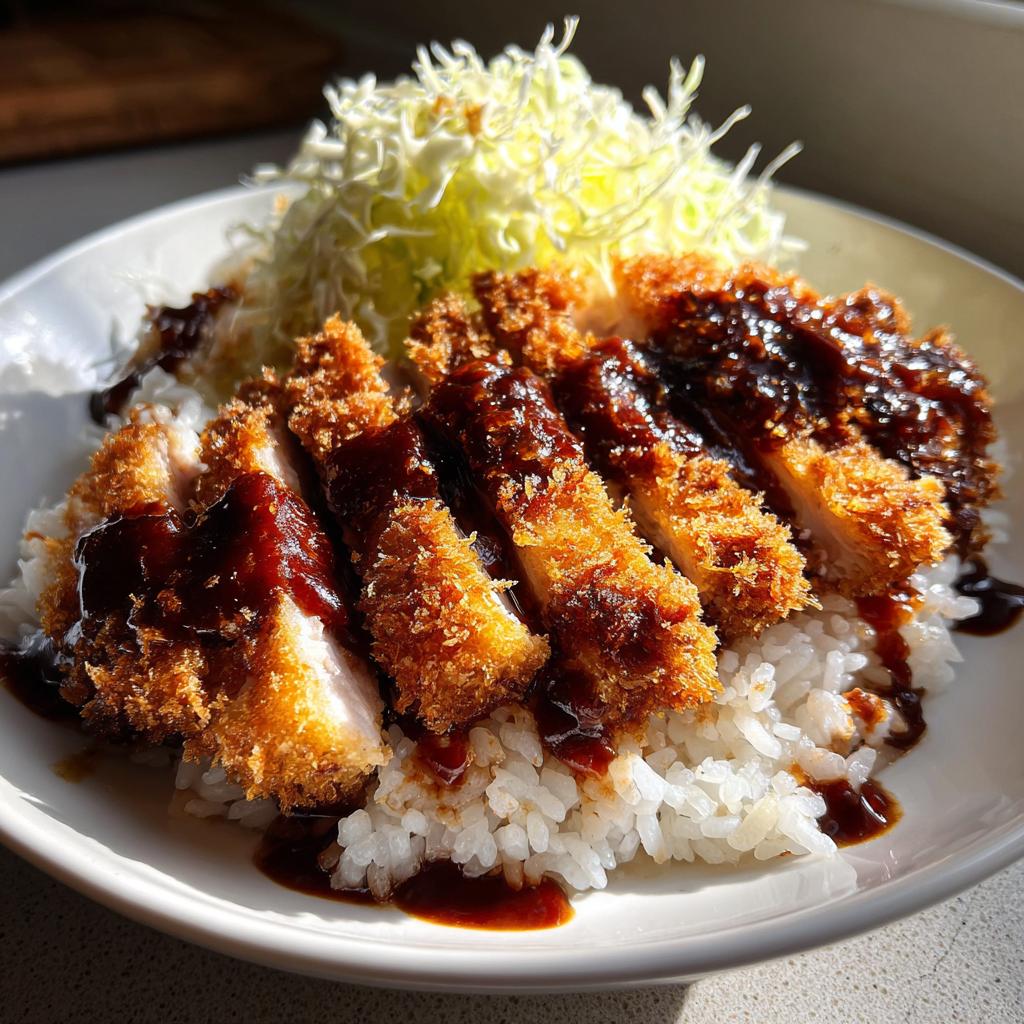
There’s something magical about that first bite of crispy Japanese katsu—the golden crunch of panko giving way to juicy pork, all drizzled with that rich, tangy tonkatsu sauce. My love affair with Japanese katsu bowls started years ago in a tiny Tokyo eatery where the chef served them steaming hot over perfect short-grain rice. I’ve been obsessed ever since! Now I make them at home when I need that perfect combo of comfort and crunch. Trust me, once you try these Japanese Katsu Bowls with Tonkatsu Sauce, you’ll understand why they’re Japan’s ultimate comfort food. The best part? They come together in under 30 minutes, making them my go-to weeknight hero.
Why You’ll Love Japanese Katsu Bowls with Tonkatsu Sauce
Oh my goodness, where do I start? These bowls are pure happiness in every bite. Here’s why they never fail to make me smile:
- That unbeatable crunch – Panko breadcrumbs create the most satisfying crispy coating you’ll ever taste
- Ready in under 30 minutes – Faster than takeout, but tastes ten times better
- Perfect flavor balance – Juicy pork meets sweet-savory tonkatsu sauce – it’s magic!
- Customizable to your taste – Add more sauce, extra cabbage, whatever makes you happy
- Weeknight lifesaver – My kids cheer when they smell these frying up
Seriously, one bite and you’ll be hooked just like I was!
Ingredients for Japanese Katsu Bowls with Tonkatsu Sauce
Okay, let’s gather our katsu essentials! Here’s everything you’ll need to make these crispy beauties – I’ve learned through trial and error that getting these ingredients just right makes all the difference. (Trust me, I’ve had my share of sad, soggy katsu days before nailing it!)
- 4 boneless pork chops – about 1/2-inch thick (this thickness cooks perfectly without drying out)
- 1 cup all-purpose flour – for that first crispy layer
- 2 large eggs – beaten well (room temp eggs coat better!)
- 1 1/2 cups panko breadcrumbs – packed lightly (Japanese panko makes the BEST crunch)
- 1/2 teaspoon salt – I use kosher salt for even seasoning
- 1/4 teaspoon black pepper – freshly ground tastes amazing
- 2 cups cooked Japanese short-grain rice – sticky rice holds everything together
- 1/4 cup tonkatsu sauce – Bulldog brand is my favorite, but homemade works too
- 1/4 cup shredded cabbage – for that fresh, crisp contrast
- 1 tablespoon vegetable oil – for frying (just enough for a shallow fry)
Pro tip from my many katsu experiments: Measure your panko by gently packing it into the cup – too loose and you won’t get full coverage, too packed and it gets heavy. And whatever you do, don’t skip the cabbage! That cool crunch against the hot katsu is everything.
Equipment You’ll Need
Okay, let’s talk tools! Making perfect Japanese katsu bowls doesn’t require fancy gadgets – just a few basic kitchen essentials that you probably already have. Here’s what you’ll want to grab:
- Heavy-bottomed frying pan or cast iron skillet – My trusty 10-inch pan gives me perfect even heat for that golden crust
- Wire rack – This keeps your crispy katsu from getting soggy while it rests (learned this the hard way!)
- 3 shallow bowls or plates – For the flour, egg, and panko breading stations
- Tongs or chopsticks – I like using chopsticks for flipping – makes me feel like a sushi chef!
- Paper towels – For patting the pork dry (crucial for good breading adhesion)
- Sharp knife – To slice those beautiful golden cutlets before serving
That’s it! No special equipment needed – just good basics. Though I will say, if you make katsu often like I do, investing in a Japanese mandoline for super-thin cabbage shreds is totally worth it!
How to Make Japanese Katsu Bowls with Tonkatsu Sauce
Alright, let’s get cooking! I promise this isn’t as intimidating as it looks – once you get the rhythm of breading and frying, you’ll be making katsu like a pro. Here’s my step-by-step method that never fails me (after plenty of trial and error, of course!).
Preparing the Pork Cutlets
First things first – dry those pork chops! I can’t stress this enough. Use paper towels to pat them completely dry on both sides. Moisture is the enemy of crispy breading, and we want maximum crunch here.
Next, season both sides with salt and pepper – don’t be shy! The seasoning makes all the difference in bringing out the pork’s natural flavor.
Now for the fun part – breading! Set up your three stations: flour in one bowl, beaten eggs in another, and panko in the third. Here’s my foolproof method:
- Dredge each chop in flour, shaking off excess (this helps the egg stick)
- Dip into the egg, letting excess drip off (I count to 3 in my head)
- Press into panko, coating completely and gently pressing crumbs to adhere
Pro tip: Use one hand for dry ingredients and the other for wet to avoid “breaded fingers” syndrome!
Frying to Crispy Perfection
Heat your oil in the pan over medium heat – you’ll know it’s ready when a panko crumb sizzles immediately. Carefully add your breaded cutlets (don’t crowd the pan!) and let them fry undisturbed for 3-4 minutes until golden brown.
Flip carefully with tongs or chopsticks and fry the other side another 3-4 minutes. The pork should reach 145°F internally, but I also look for that perfect golden-brown color.
Transfer to a wire rack immediately – this keeps them crispy all over instead of getting soggy on one side. Let rest for 2 minutes before slicing (the hardest part – I know you’ll want to dig in right away!).
Assembling the Bowls
Now for the best part – building your masterpiece! Start with a generous scoop of warm rice in each bowl. Slice your rested katsu into beautiful strips (about 1/2-inch wide) and arrange them artfully over the rice.
Drizzle generously with tonkatsu sauce – I like to make zigzags across the pork. Top with that crisp shredded cabbage for freshness and texture contrast.
The final touch? A sprinkle of sesame seeds if you’re feeling fancy! Serve immediately while everything’s hot and crispy. Watch how fast these disappear – they’re that good!
Tips for the Best Japanese Katsu Bowls with Tonkatsu Sauce
After making these bowls more times than I can count (and eating my fair share of test batches!), I’ve picked up some game-changing tricks that take Japanese katsu from good to “Oh wow!” Here are my absolute must-know tips:
- Double-fry for extra crispiness – After the first fry, let the katsu rest for 5 minutes, then fry again for 1 minute per side. This creates an insanely crunchy crust that stays crispy longer!
- Make your own tonkatsu sauce – While store-bought works fine, homemade sauce (just mix ketchup, Worcestershire, soy sauce, and a touch of sugar) tastes fresher and lets you adjust the sweetness.
- Keep one hand dry – Use one hand for dry ingredients and the other for wet to avoid ending up with “breaded fingers” (trust me, it’s messy otherwise!).
- Slice cabbage super thin – The thinner the cabbage, the better it balances the rich katsu. I use a mandoline or very sharp knife.
- Don’t skip the resting time – Letting the fried pork rest for 2 minutes before slicing keeps all those delicious juices inside where they belong.
- Try different cuts – While pork chops are classic, chicken cutlets or even tofu work beautifully with the same breading method.
My biggest lesson? Don’t rush the breading process – taking your time with each step makes all the difference in creating that perfect golden crunch. And always, always make extra sauce – you’ll want to drizzle it on everything!
Ingredient Substitutions & Variations
Listen, I know we don’t always have every ingredient on hand – and that’s okay! Over the years, I’ve tried every variation imaginable (some more successful than others, if I’m being honest). Here are my tried-and-true swaps that keep the spirit of Japanese katsu bowls alive when you need to improvise:
Protein Alternatives
While pork is traditional, don’t let that stop you if you’re craving katsu but have something else in the fridge:
- Chicken cutlets – My go-to swap! Use boneless, skinless chicken pounded to 1/2-inch thickness. Cook time stays about the same.
- Turkey cutlets – Surprisingly delicious! The leaner meat pairs beautifully with the rich tonkatsu sauce.
- Extra-firm tofu – Press it well, slice into 1-inch slabs, and follow the same breading method. Fry just until golden – about 2 minutes per side.
- Thin beef cutlets – A less traditional but tasty option. Look for “minute steaks” or slice sirloin thin.
Breading Variations
Need to adjust the coating? No problem! Here’s what works:
- Gluten-free panko – Widely available now and makes a great crispy crust. Or you can make your own from gluten-free bread.
- Regular breadcrumbs – In a pinch, they’ll do – but you’ll miss that signature panko crunch. Toast them lightly first for better texture.
- Cornflake crumbs – My secret weapon when I want extra crunch! Pulse cornflakes in a food processor until coarse.
- Almond flour – For a low-carb version. It won’t get as crispy but adds nice flavor.
Sauce & Sides Swaps
Ran out of tonkatsu sauce? Here’s how to improvise:
- Quick homemade sauce – Mix 3 tbsp ketchup, 1 tbsp Worcestershire, 1 tsp soy sauce, and 1/2 tsp sugar. Adjust to taste!
- BBQ sauce + soy sauce – Sounds weird, but the sweet-smoky combo works in a pinch (about 3:1 ratio).
- Coleslaw instead of cabbage – When I’m feeling lazy, pre-made slaw adds nice texture.
- Pickled veggies – Try quick-pickled cucumbers or radishes for extra zing.
The beauty of katsu bowls? They’re incredibly forgiving. Once you master the basic technique, you can get creative with what you’ve got. My husband still talks about the “breakfast katsu” I made once with French toast breading – unconventional, but delicious! What variations will you try?
Serving Suggestions
Oh, the fun part—building your perfect Japanese katsu meal! While these bowls are amazing on their own, I love rounding them out with a few simple sides that take the whole experience to the next level. Here are my favorite pairings—some traditional, some just downright delicious:
- Miso soup – My non-negotiable! The salty umami balances the rich katsu perfectly. I use instant dashi packets when I’m short on time.
- Pickled ginger (beni shoga) – Those vibrant red shreds add the perfect zingy contrast to each bite. I keep a jar in my fridge just for katsu nights.
- Steamed edamame – For when you want something light and fresh alongside the crispy pork. Sprinkle with sea salt right before serving.
- Japanese potato salad – Creamy, slightly sweet, and studded with carrots and cucumber—it’s my happy accident discovery that became a staple.
- Cold barley tea (mugicha) – The nutty, caffeine-free brew cuts through the richness beautifully. My kids love it too!
- Extra tonkatsu sauce for dipping – Because let’s be real, you can never have enough. I always put out a little bowl for drizzling.
On busy nights? Just the katsu bowl with extra cabbage and a drizzle of mayo is heavenly. But when I’m feeling fancy, I’ll do the full spread—soup, pickles, the works! Whatever you choose, don’t forget to dig in while everything’s still hot and crispy. That first bite of crunchy pork with warm rice? Pure bliss.
Storing and Reheating Japanese Katsu Bowls
Let’s talk about leftovers – not that you’ll have many with these delicious bowls! But on the rare chance you do (or if you’re smart like me and make extra on purpose), here’s how to keep that crispy magic alive for round two.
Storing Your Katsu
First rule of katsu storage – don’t assemble the bowls ahead! Keep components separate in the fridge. Here’s my system:
- Cooked katsu: Let it cool completely, then store in an airtight container with a paper towel underneath (absorbs moisture) for 2-3 days max.
- Rice: In a separate container, also 2-3 days. I sprinkle a few drops of water before reheating to keep it fluffy.
- Cabbage: Stays crisp in a ziplock bag with a dry paper towel for about 2 days.
- Tonkatsu sauce: This keeps for weeks in the fridge, so no worries there!
Important: Never store assembled bowls – the rice makes the katsu soggy almost immediately. Learned that lesson the hard way!
Reheating Like a Pro
Now for the crucial part – bringing that crunch back to life! The microwave is katsu’s worst enemy (trust me, I’ve made that mistake too many times). Here’s how I do it:
- Oven method (best!): Preheat to 350°F. Place katsu on a wire rack over a baking sheet. Bake 5-7 minutes until heated through and crisp. The rack lets heat circulate for even crisping.
- Air fryer magic: If you have one, 3-4 minutes at 375°F works like a charm. No preheating needed!
- Stovetop refresh: A quick 1-minute fry in fresh oil brings back that just-made texture.
For the rice, I sprinkle it with a teaspoon of water and microwave covered for 1 minute, then fluff with a fork. The cabbage? Always fresh – no reheating needed!
Pro tip: If your katsu seems dry after storage, a quick extra drizzle of tonkatsu sauce when reheating brings back the moisture without sacrificing crunch. And whatever you do, don’t cover the katsu while reheating – that steam is the enemy of crispiness!
Nutritional Information
Okay, let’s talk numbers—but remember, these are just ballpark figures based on my typical ingredients. Your exact nutrition will vary depending on your pork’s leanness, rice variety, and sauce brand (I’m looking at you, extra generous tonkatsu sauce drizzle!). Here’s the general picture per serving:
- Protein-packed: That crispy pork gives you a solid protein boost to keep you satisfied
- Moderate carbs: Mostly from the rice (but hey, it’s the good kind of carbs!)
- Healthy fats: Mostly from the frying oil and pork’s natural marbling
- Fiber bonus: The cabbage adds a nice fiber punch to balance things out
If you’re watching specific numbers, I recommend plugging your exact ingredients into a nutrition calculator—especially if you make substitutions like chicken instead of pork or brown rice instead of white. Personally? I focus more on enjoying every crispy, saucy bite of this balanced meal than counting every calorie. Life’s too short not to enjoy good katsu!
FAQs About Japanese Katsu Bowls with Tonkatsu Sauce
After years of making these crispy bowls and sharing them with friends, I’ve heard every question imaginable! Here are the answers to the ones that pop up most often:
Q1: Can I use chicken instead of pork?
Absolutely! Chicken katsu is just as delicious – I make it all the time when pork chops aren’t on sale. Just pound boneless chicken to 1/2-inch thickness so they cook evenly. The breading and frying process stays exactly the same.
Q2: What can I use if I don’t have tonkatsu sauce?
No worries! My quick fix is mixing 3 parts ketchup with 1 part Worcestershire sauce and a splash of soy sauce. It’s not identical, but it gives you that sweet-savory punch in a pinch. Bonus points if you add a tiny bit of grated apple or honey!
Q3: How do I keep the breading from falling off?
Ah, the eternal struggle! The secret is in the prep: 1) Pat your pork SUPER dry first, 2) Let the breaded cutlets rest for 5 minutes before frying (helps the coating adhere), and 3) Don’t overcrowd the pan when frying – too much moisture makes the coating slip.
Q4: Can I bake these instead of frying?
You can, but fair warning – it won’t be quite as crispy. If you must bake, place breaded cutlets on a wire rack over a baking sheet at 400°F for about 15-20 minutes, flipping halfway. Spray lightly with oil first for better browning!
Q5: What’s the best way to slice the katsu?
Use a super sharp knife and slice diagonally across the grain right before serving. Pro tip: Wipe your knife clean between cuts for picture-perfect slices. And never slice on a plate – use a cutting board to keep that precious crust intact!
Got more questions? Drop them in the comments – I’m happy to share all my katsu-making tricks! After all, crispy pork happiness should be shared.
There you have it – my foolproof guide to creating the crispiest, most delicious Japanese Katsu Bowls with Tonkatsu Sauce right in your own kitchen! Whether it’s a busy weeknight or a special weekend treat, this recipe never lets me down. I still get that same thrill every time I hear that first satisfying crunch. Now it’s your turn! Try this recipe and share your results in the comments – I’d love to hear about your katsu adventures. Did you stick with classic pork or try a fun variation? Extra crispy or extra saucy? Trust me, once you make these bowls, you’ll be hooked just like I am. Happy cooking!
Print
Crispy Japanese Katsu Bowls with Tonkatsu Sauce in 30 Minutes!
- Total Time: 25 minutes
- Yield: 4 servings 1x
- Diet: Halal
Description
A crispy and flavorful Japanese dish featuring breaded pork cutlets, served with rice and tonkatsu sauce.
Ingredients
- 4 boneless pork chops (about 1/2 inch thick)
- 1 cup all-purpose flour
- 2 large eggs, beaten
- 1 1/2 cups panko breadcrumbs
- 1/2 tsp salt
- 1/4 tsp black pepper
- 2 cups cooked Japanese short-grain rice
- 1/4 cup tonkatsu sauce
- 1/4 cup shredded cabbage
- 1 tbsp vegetable oil (for frying)
Instructions
- Pat the pork chops dry with paper towels and season with salt and pepper.
- Dredge each pork chop in flour, shaking off excess.
- Dip the floured pork into beaten eggs, then coat with panko breadcrumbs.
- Heat oil in a pan over medium heat. Fry the pork until golden brown and cooked through (about 3-4 minutes per side).
- Remove and let rest on a wire rack for 2 minutes.
- Slice the pork into strips.
- Serve over a bowl of rice, drizzle with tonkatsu sauce, and top with shredded cabbage.
Notes
- For extra crispiness, double-fry the pork.
- Use store-bought or homemade tonkatsu sauce.
- Serve with pickled ginger for added flavor.
- Prep Time: 15 minutes
- Cook Time: 10 minutes
- Category: Main Dish
- Method: Frying
- Cuisine: Japanese
Nutrition
- Serving Size: 1 bowl
- Calories: 550
- Sugar: 5g
- Sodium: 600mg
- Fat: 20g
- Saturated Fat: 5g
- Unsaturated Fat: 12g
- Trans Fat: 0g
- Carbohydrates: 60g
- Fiber: 2g
- Protein: 30g
- Cholesterol: 120mg
Keywords: Japanese katsu, tonkatsu sauce, pork cutlet, rice bowl, crispy pork