
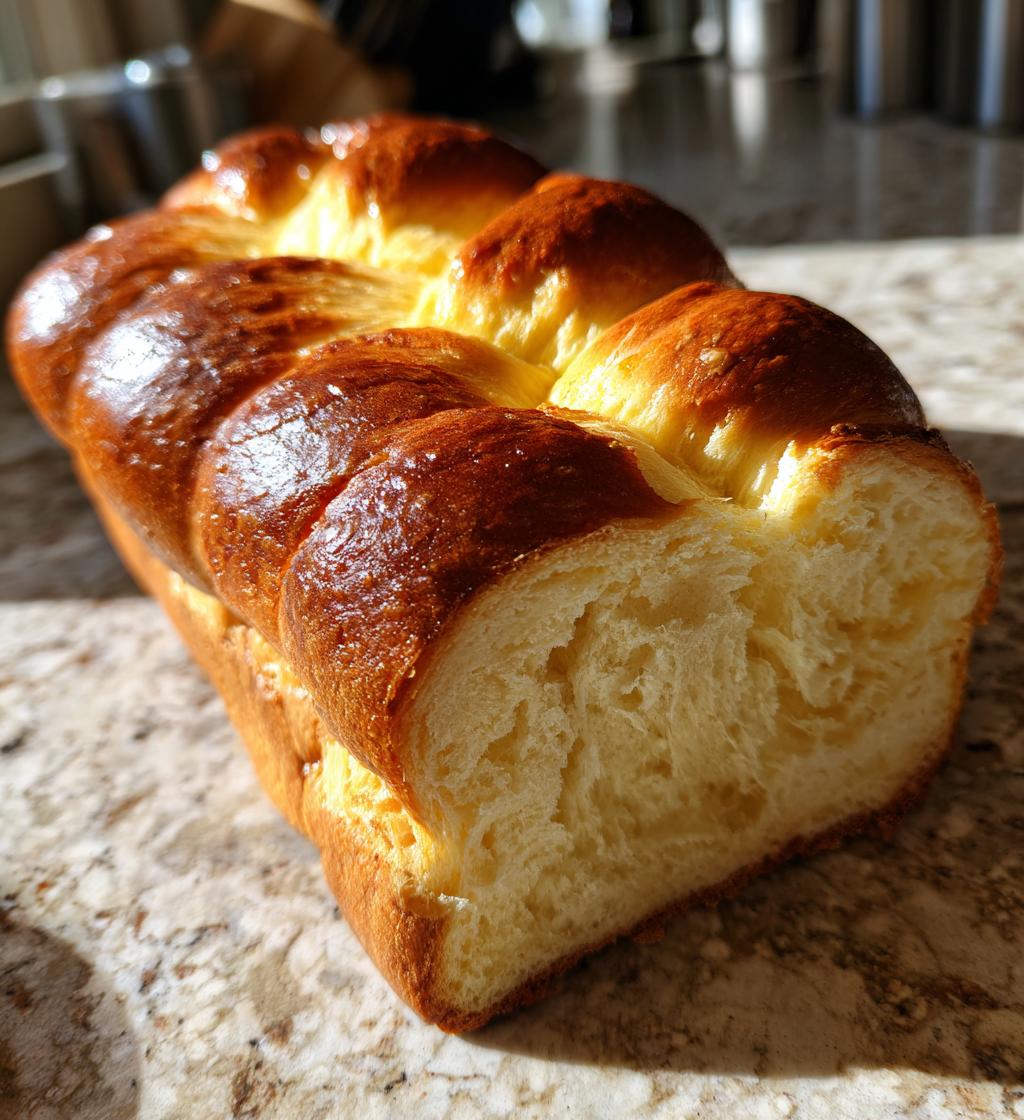
Easter bread holds a special place in my heart and in many families’ celebrations. This sweet, traditional bread is often the centerpiece of our Easter gatherings, symbolizing renewal and joy. What makes my recipe truly special is the delightful blend of flavors and textures that come together to create a soft, slightly sweet loaf that warms your soul. It’s not just about the taste; it’s about the memories we create while baking it together. Trust me, the aroma of freshly baked Easter bread wafting through your home is simply irresistible, making it an experience that everyone will cherish. Whether you enjoy it plain, toasted, or with a bit of butter, this Easter bread will quickly become a beloved staple in your holiday celebrations.
Easter bread holds a special place in my heart and in many families’ celebrations. This sweet, traditional bread is often the centerpiece of our Easter gatherings, symbolizing renewal and joy. What makes my recipe truly special is the delightful blend of flavors and textures that come together to create a soft, slightly sweet loaf that warms your soul. It’s not just about the taste; it’s about the memories we create while baking it together. Trust me, the aroma of freshly baked Easter bread wafting through your home is simply irresistible, making it an experience that everyone will cherish. Whether you enjoy it plain, toasted, or with a bit of butter, this Easter bread will quickly become a beloved staple in your holiday celebrations.
Ingredients List
To create this delightful Easter bread, you’ll need these simple yet essential ingredients:
- 4 cups all-purpose flour
- 1 cup milk, warmed to about 110°F (43°C)
- 1/2 cup sugar
- 1/2 cup butter, melted
- 3 large eggs
- 2 teaspoons yeast (active dry or instant)
- 1 teaspoon salt
- 1 teaspoon vanilla extract
- 1/4 cup raisins (optional, but they add a lovely sweetness)
Gather these ingredients before you start, and let’s get ready to bake some unforgettable Easter bread!
How to Prepare Easter Bread
Making Easter bread is a delightful process, and I’m excited to walk you through each step! This recipe is all about taking your time and enjoying the journey. So, let’s get started!
Step 1: Prepare the Yeast Mixture
First things first, let’s wake up that yeast! Warm 1 cup of milk in a small saucepan until it’s about 110°F (43°C). It should feel warm to the touch but not hot. Once it’s ready, sprinkle 2 teaspoons of yeast into the milk and give it a gentle stir. Let it sit for about five minutes until it becomes frothy and bubbly. This means your yeast is alive and kicking, ready to help your bread rise!
Step 2: Mix Dry Ingredients
While your yeast is waking up, grab a large mixing bowl and combine 4 cups of all-purpose flour, 1/2 cup of sugar, and 1 teaspoon of salt. Whisk them together until they’re well mixed. This step is essential because it ensures that the salt and sugar are evenly distributed throughout the flour, which helps with flavor and texture.
Step 3: Combine Wet Ingredients
Now, it’s time to bring in the wet ingredients! In the same bowl, add your 1/2 cup of melted butter, 3 large eggs, and 1 teaspoon of vanilla extract. Mix everything together until it’s well combined. You want those eggs fully incorporated for a rich, tender bread!
Step 4: Form the Dough
Next, pour in the frothy yeast mixture. Stir everything together until a shaggy dough forms. Now comes the fun part—kneading! Lightly flour your countertop and turn the dough out onto it. Knead for about 10 minutes until the dough is smooth and elastic. This is a great time to let out any stress from the day!
Step 5: First Rise
After kneading, place the dough in a greased bowl. Cover it with a clean kitchen towel or plastic wrap, and let it rise in a warm spot for about 1 hour or until it doubles in size. This is where the magic happens, so be patient and resist the urge to peek!
Step 6: Shape the Bread
Once your dough has risen, it’s time to punch it down gently to release the air. Turn it out onto a floured surface and shape it into a loaf or a braid—whatever you prefer! If you’re feeling festive, you can even tuck in some colored eggs for decoration!
Step 7: Second Rise
After shaping, place your dough on a baking sheet lined with parchment paper. Cover it again and let it rise for another 30 minutes. This second rise is crucial for achieving that light and airy texture we all love in Easter bread!
Step 8: Baking the Bread
Preheat your oven to 350°F (175°C). Once your dough has risen again, pop it in the oven and bake for 30-35 minutes, or until it’s golden brown and sounds hollow when tapped on the bottom. Keep an eye on it to prevent over-browning! When it’s ready, let it cool on a wire rack and enjoy the divine smell filling your kitchen!
Tips for Success
To make the best Easter bread, a few pro tips can really elevate your baking experience! First, when activating the yeast, ensure that your milk is warm but not hot—think of it like a cozy bath for the yeast. If it’s too hot, you might accidentally kill it, and that would be a bummer!
When kneading the dough, don’t rush it. Take your time to really work it until it’s smooth and elastic. This step is key for developing that wonderful texture. If the dough feels too sticky, sprinkle a bit more flour, but be careful not to overdo it.
Lastly, always trust your senses while baking! The aroma that fills your kitchen is a sure sign that it’s almost time to take your Easter bread out of the oven. And remember, every oven is a little different, so keep an eye on your loaf as it bakes to achieve that perfect golden brown color!
Nutritional Information
Here’s a quick look at the nutritional values for a slice of this delightful Easter bread. Keep in mind that these are estimates based on the ingredients used in this recipe:
- Calories: 200
- Fat: 8g
- Saturated Fat: 5g
- Unsaturated Fat: 2g
- Trans Fat: 0g
- Cholesterol: 50mg
- Sodium: 150mg
- Carbohydrates: 30g
- Fiber: 1g
- Protein: 4g
- Sugar: 10g
This Easter bread is a treat that balances indulgence with some nutritional goodness, making it a wonderful addition to your holiday celebrations! Enjoy every slice with the warmth of loved ones around you.
FAQ Section
Can I add different ingredients to my Easter bread?
Absolutely! One of the best things about Easter bread is its versatility. You can easily customize it by adding nuts like chopped almonds or walnuts for a nice crunch. Dried fruits, such as cranberries or apricots, can bring a lovely sweetness and chewiness. If you’re feeling adventurous, try adding a sprinkle of cinnamon or nutmeg for a warm spice that complements the sweetness beautifully. Just keep in mind that if you add too many extras, it might change the bread’s texture, so balance is key!
How do I store leftover Easter bread?
To keep your Easter bread fresh, store it in an airtight container at room temperature. It should stay good for about 3-4 days. If it starts to harden, a quick toast can bring back that delightful softness! If you want to keep it longer, you can slice it and wrap it tightly in plastic wrap before placing it in a zip-top bag. This way, you can enjoy your bread for up to a week without losing its charm!
Can I freeze Easter bread?
Yes, you can absolutely freeze Easter bread! To do this, make sure it’s completely cooled, then wrap it tightly in plastic wrap and place it in a freezer-safe bag. It’ll keep well for up to three months! When you’re ready to enjoy it, just remove it from the freezer and let it thaw at room temperature. If you want, you can warm it up in the oven for a few minutes to revive that freshly baked taste!
What is the best way to serve Easter bread?
Easter bread is delightful on its own, but there are some fantastic ways to enhance the experience! Try serving it warm with a pat of butter or a drizzle of honey for a sweet touch. It’s also perfect for breakfast when toasted and topped with your favorite jam or cream cheese. For a festive twist, consider adding colored eggs nestled alongside the bread on a platter for a beautiful presentation that celebrates the holiday!
How long does it take to make Easter bread?
The total time to make this Easter bread is about 1 hour and 55 minutes. This includes 20 minutes of prep time, 1 hour for the first rise, 30 minutes for the second rise, and 35 minutes of baking time. It may seem like a bit of a commitment, but trust me, the delicious aroma and the joy of sharing this bread with loved ones make every minute worth it!
Why You’ll Love This Recipe
- Irresistible Flavor: This Easter bread boasts a delightful sweetness with hints of vanilla that will have everyone coming back for seconds. The aroma alone is enough to make your mouth water!
- Simple Preparation: With straightforward steps, this recipe is perfect for both novice bakers and seasoned pros. You’ll love how easy it is to create something so special!
- Traditional Charm: This recipe carries a sense of nostalgia and connection to family traditions, making it a meaningful addition to your Easter celebrations.
- Versatile Serving Options: Whether served warm with butter, toasted with jam, or even adorned with colorful eggs, this bread can be enjoyed in so many delightful ways!
- Perfect for Sharing: This lovely loaf is ideal for gatherings, allowing you to share sweet moments with family and friends during the holiday!
Serving Suggestions
Now that you’ve baked your delicious Easter bread, it’s time to think about how to serve it and elevate the whole meal experience! Here are some delightful ideas to make your Easter gathering extra special:
- With Butter and Jam: A classic choice! Serve warm slices of Easter bread with a generous pat of butter and your favorite fruit jam. Strawberry or apricot preserves add a lovely sweetness that pairs beautifully with the bread’s flavor.
- As French Toast: Turn leftover slices into a delicious breakfast treat! Dip the slices in a mixture of beaten eggs, milk, and a sprinkle of cinnamon, then cook them on a griddle until golden brown. Serve with maple syrup and fresh fruit for a brunch that’ll impress everyone.
- With Cheese: For a savory twist, try pairing slices of Easter bread with a selection of cheeses. Cream cheese or a tangy goat cheese can complement the sweetness perfectly. Add some fresh herbs or a drizzle of honey for an elegant touch.
- With Fresh Fruit: A beautiful fruit platter alongside your Easter bread makes for a refreshing complement. Think vibrant berries, sliced melons, or citrus segments that add a burst of color and flavor to your table.
- As a Side for a Holiday Meal: Easter bread is also a fantastic accompaniment to your holiday feast! Serve it alongside glazed ham or roast lamb for a traditional touch that guests will love.
Whichever way you choose to serve your Easter bread, it’s sure to bring a smile to everyone’s face and make your celebration even more memorable!
Storage & Reheating Instructions
After enjoying your delicious Easter bread, you might find yourself with some leftovers. No worries, I’ve got you covered on how to store and reheat it to maintain that fresh-baked taste!
First, to keep your Easter bread fresh, store it in an airtight container at room temperature. It should stay good for about 3-4 days. If you find it starting to harden, a quick toast can work wonders to bring back that lovely softness!
If you want to keep it longer, consider freezing it. Make sure the bread is completely cooled, then slice it up and wrap each piece tightly in plastic wrap. Place the wrapped slices in a zip-top bag and store them in the freezer. This way, you can enjoy your Easter bread for up to three months without losing its charm.
When you’re ready to indulge again, simply remove the desired amount from the freezer and let it thaw at room temperature. If you prefer that freshly baked warmth, pop the slices in a preheated oven at 350°F (175°C) for about 5-10 minutes until warmed through. Trust me, this little step brings back all those wonderful aromas and flavors!
Print
Easter Bread: 8 Steps to Irresistible Holiday Delight
- Total Time: 1 hour 55 minutes
- Yield: 1 loaf 1x
- Diet: Vegetarian
Description
A sweet, traditional bread often enjoyed during Easter celebrations.
Ingredients
- 4 cups all-purpose flour
- 1 cup milk
- 1/2 cup sugar
- 1/2 cup butter
- 3 eggs
- 2 teaspoons yeast
- 1 teaspoon salt
- 1 teaspoon vanilla extract
- 1/4 cup raisins (optional)
Instructions
- Warm the milk and dissolve the yeast in it.
- In a bowl, mix flour, sugar, and salt.
- Add melted butter, eggs, and vanilla to the flour mixture.
- Pour in the yeast mixture and stir until combined.
- Knead the dough on a floured surface for about 10 minutes.
- Place the dough in a greased bowl and cover it. Let it rise for 1 hour.
- Preheat the oven to 350°F (175°C).
- Punch down the dough and shape it into a loaf or braid.
- Let it rise again for 30 minutes on a baking sheet.
- Bake for 30-35 minutes until golden brown.
Notes
- Can add colored eggs for decoration.
- Store in an airtight container for freshness.
- Best served warm or toasted.
- Prep Time: 20 minutes
- Cook Time: 35 minutes
- Category: Bread
- Method: Baking
- Cuisine: Western
Nutrition
- Serving Size: 1 slice
- Calories: 200
- Sugar: 10g
- Sodium: 150mg
- Fat: 8g
- Saturated Fat: 5g
- Unsaturated Fat: 2g
- Trans Fat: 0g
- Carbohydrates: 30g
- Fiber: 1g
- Protein: 4g
- Cholesterol: 50mg
Keywords: Easter bread, sweet bread, holiday baking