
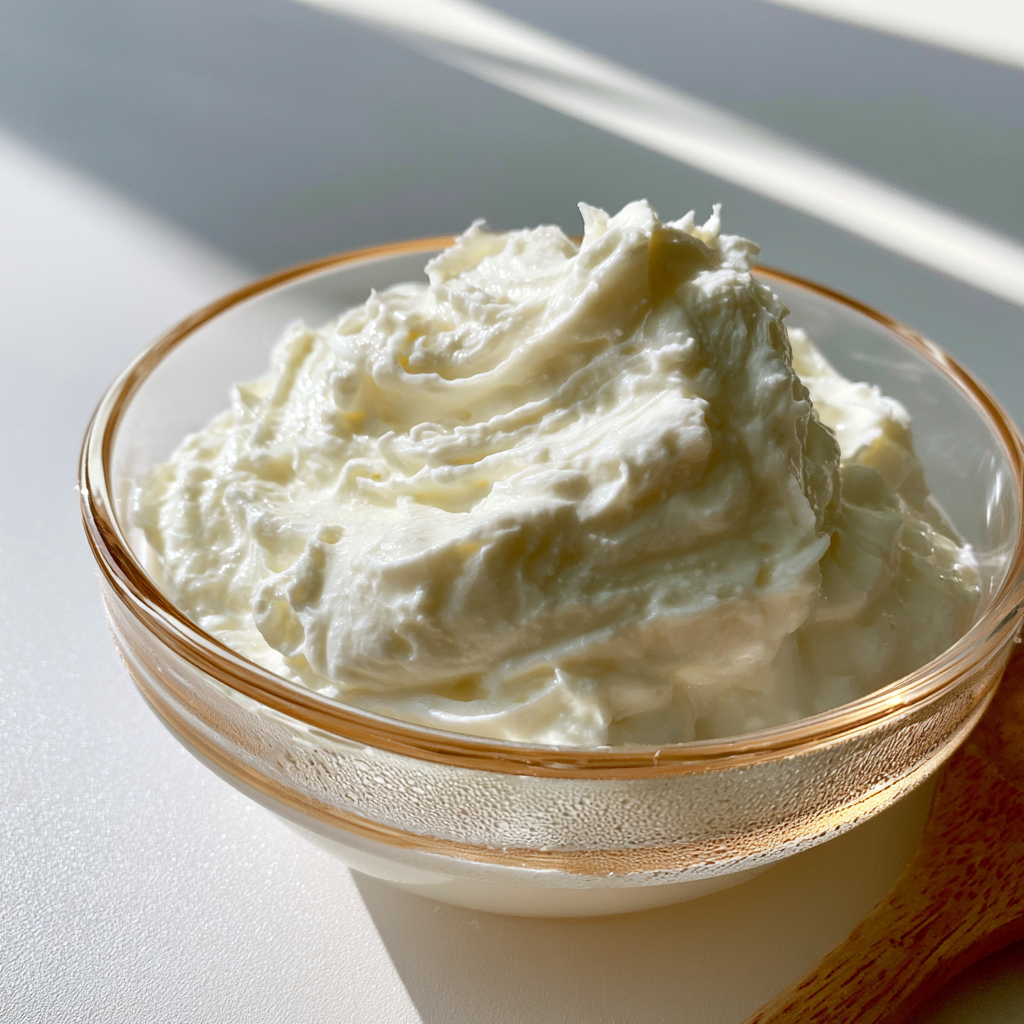
How to Make Yogurt at Home: 6 Hours to Creamy Bliss
Learning how to make yogurt at home can transform your kitchen experience. This homemade yogurt recipe saves time and costs compared to store-bought options while allowing you to control the ingredients. Have you ever thought about how satisfying it would be to create your own creamy yogurt? Imagine the delightful aroma of fresh yogurt wafting through your kitchen, enticing your senses. The smooth texture and tangy taste of homemade yogurt can elevate your breakfast or snack game to a whole new level.
As you embark on this yogurt-making journey, you’ll be amazed at the simplicity of the process. With just a few ingredients—milk and a yogurt starter culture—you can create a batch of yogurt that rivals any gourmet store version. The vibrant white color and velvety texture will tempt you to dive right in, while the tangy flavor will leave you craving more.
In addition to being incredibly tasty, homemade yogurt offers numerous health benefits. It’s packed with probiotics, which are beneficial bacteria that support gut health. You’ll also enjoy the satisfaction of knowing exactly what goes into your yogurt, free from preservatives and additives. Making yogurt at home is a rewarding experience that not only delights your palate but also nourishes your body.
Now, let’s dive into the health benefits of the key ingredients in homemade yogurt. First, the primary ingredient, milk, is rich in calcium, which is essential for strong bones and teeth. It also contains Vitamin B12, crucial for energy production and brain health. When you choose whole milk, you are also getting healthy fats that support brain function and help absorb fat-soluble vitamins.
The yogurt starter culture is another powerhouse ingredient. It contains live cultures that promote healthy digestion. These probiotics, such as Lactobacillus and Streptococcus thermophilus, can improve gut health and boost the immune system. Did you know that consuming yogurt regularly can help reduce inflammation in the body? This is attributed to the probiotics that support a balanced gut microbiome.
Another benefit of making yogurt at home is the control you have over sugar and flavorings. Unlike many commercial yogurts, which are often loaded with added sugars, you can customize your homemade version to suit your taste and health preferences. Add fresh fruits, honey, or nuts to create a unique flavor profile without the guilt.
So, why choose this homemade yogurt recipe over others? This specific version stands out because it requires minimal ingredients and time. Many recipes involve complicated processes or lengthy fermentation times, but this one simplifies everything. Additionally, using a yogurt starter with live cultures ensures that you achieve the desired tangy taste and creamy texture without fail.
This recipe is perfect for families, beginners, and special occasions alike. Whether you want to whip up a quick breakfast or prepare a refreshing dessert, homemade yogurt fits the bill. It’s a versatile ingredient that can be enjoyed in various ways, making it a favorite among all ages.
In summary, this recipe for homemade yogurt takes just 10 minutes of prep time and 6 hours of cooking, yielding a creamy, delightful treat. It is beginner-friendly and ideal for weeknight dinners or meal prep. You’ll soon find it becomes a staple in your kitchen.
What is Homemade Yogurt?
Homemade yogurt is a creamy dairy product made from milk that has been fermented with live cultures. This process transforms the milk into yogurt, giving it a unique flavor and texture. Unlike store-bought yogurt, homemade versions allow for complete control over ingredients and flavorings, making it a healthier and more personalized option for yogurt lovers.
Why You Will Love This Recipe
- Only two key ingredients: milk and yogurt starter culture.
- Simple process that anyone can master, even beginners.
- Customizable flavors to suit your taste preferences.
- Probiotic-rich and beneficial for gut health.
- More economical than purchasing high-quality yogurt from stores.
Ingredients You Need
- Milk: Whole milk is preferred for its creaminess. It provides a rich texture and flavor.
- Yogurt starter culture: This can be store-bought yogurt containing live cultures or a specific yogurt starter packet. It’s essential for the fermentation process.
How to Make Yogurt at Home Step by Step
- Start by heating the milk in a saucepan over medium heat. Stir occasionally to prevent scorching. Heat the milk until it reaches about 180°F (82°C). This step kills any unwanted bacteria.
- Once heated, remove the milk from the heat and let it cool to around 110°F (43°C). You can speed up the cooling process by placing the saucepan in a cold water bath.
- In a separate bowl, add a few tablespoons of the yogurt starter culture to a cup of the cooled milk and whisk until smooth. This step helps incorporate the culture evenly.
- Pour the mixture back into the saucepan with the rest of the cooled milk and stir gently to combine.
- Transfer the milk mixture to a clean container with a lid. Wrap the container in a towel to maintain warmth, which is crucial for fermentation.
- Place the container in a warm spot, such as an oven with the light on or a yogurt maker, and let it sit undisturbed for 6 to 12 hours. The longer it ferments, the tangier it will be.
- Once fermented to your liking, refrigerate the yogurt for a few hours to set further. Enjoy your homemade yogurt plain or with toppings of your choice!
Pro Tip: Use a kitchen thermometer for accurate results!
Pro Tip: Check the yogurt after 6 hours; if it’s not tangy enough, let it sit longer!
Expert Tips for Best Results
- Use high-quality milk for the best flavor and texture.
- Ensure all equipment is clean to prevent contamination.
- Experiment with different starter cultures to find your favorite flavor.
- Maintain a consistent warm temperature during fermentation for optimal results.
- Add flavorings after fermentation to avoid altering the culture’s effectiveness.
- Store yogurt in airtight containers to maintain freshness and prevent odors.
Variations and Substitutions
- Dairy-free option: Use almond milk or coconut milk with a dairy-free yogurt starter.
- Greek yogurt: Strain the yogurt through cheesecloth after fermentation for a thicker texture.
- Flavored yogurt: Add pureed fruits or extracts during the final mixing stage for a fruity twist.
- Instant pot method: Use an Instant Pot on the yogurt setting to simplify the process.
How to Serve and Store
Serve your homemade yogurt plain or with a variety of toppings such as fresh fruit, granola, or honey. It can also be used in smoothies, salad dressings, or as a healthy dip.
Store yogurt in the fridge for up to 1 week. It’s best to keep it in an airtight container to maintain freshness. You can freeze yogurt, but it may alter the texture; it lasts up to 2 months in the freezer. When reheating, avoid bringing it to a boil, as this can kill the live cultures.
Frequently Asked Questions
Can I make yogurt without a yogurt maker?
Yes, you can make yogurt without a yogurt maker by using an oven with the light on or wrapping the container in towels to maintain warmth.
How long does homemade yogurt last?
Homemade yogurt lasts up to 1 week in the refrigerator when stored in an airtight container.
Can I use low-fat milk for yogurt?
Yes, low-fat milk can be used, but it may result in a thinner texture compared to whole milk.
What do I do if my yogurt doesn’t set?
If your yogurt doesn’t set, it may be due to low temperature or inactive cultures. Ensure the milk is heated properly and maintained at a warm temperature during fermentation.
Can I add flavors to my yogurt?
Yes, adding flavors such as vanilla extract or fruit after fermentation is recommended for best results.
Is homemade yogurt healthier than store-bought?
Yes, homemade yogurt is often healthier because you can control the ingredients, avoiding added sugars and preservatives.
In conclusion, learning how to make yogurt at home is a simple and rewarding process. You benefit from probiotics and the satisfaction of creating something delicious from scratch. Enjoy creamy, rich yogurt that enhances your meals, and try this recipe today. Leave a comment below to share your experience!
Print
How to Make Yogurt at Home: 6 Hours to Creamy Bliss
- Total Time: 610
- Yield: 4 cups 1x
- Diet: Vegetarian
Description
This easy recipe shows you how to make yogurt at home using just milk and a yogurt starter culture. Enjoy creamy, delicious yogurt in just a few hours!
Ingredients
- 4 cups Milk
- 2 tablespoons Yogurt starter culture
Instructions
- Heat the milk in a saucepan over medium heat until it begins to simmer, then remove from heat.
- Let the milk cool to about 110°F (43°C).
- Stir in the yogurt starter culture until fully dissolved.
- Transfer the mixture to a clean container and cover it with a lid or cloth.
- Maintain the temperature at around 110°F (43°C) for 6 to 12 hours to allow fermentation.
- Check for desired thickness, then refrigerate for a few hours before serving.
- Prep Time: 10
- Cook Time: 6
- Category: Breakfast
- Method: Stovetop
- Cuisine: International
Nutrition
- Serving Size: 1 cup
- Calories: 150
- Sugar: 11
- Sodium: 100
- Fat: 8
- Saturated Fat: 5
- Trans Fat: 0
- Carbohydrates: 11
- Fiber: 0
- Protein: 8
- Cholesterol: 30
Keywords: how to make yogurt at home, homemade yogurt recipe, easy yogurt recipe, yogurt starter culture