
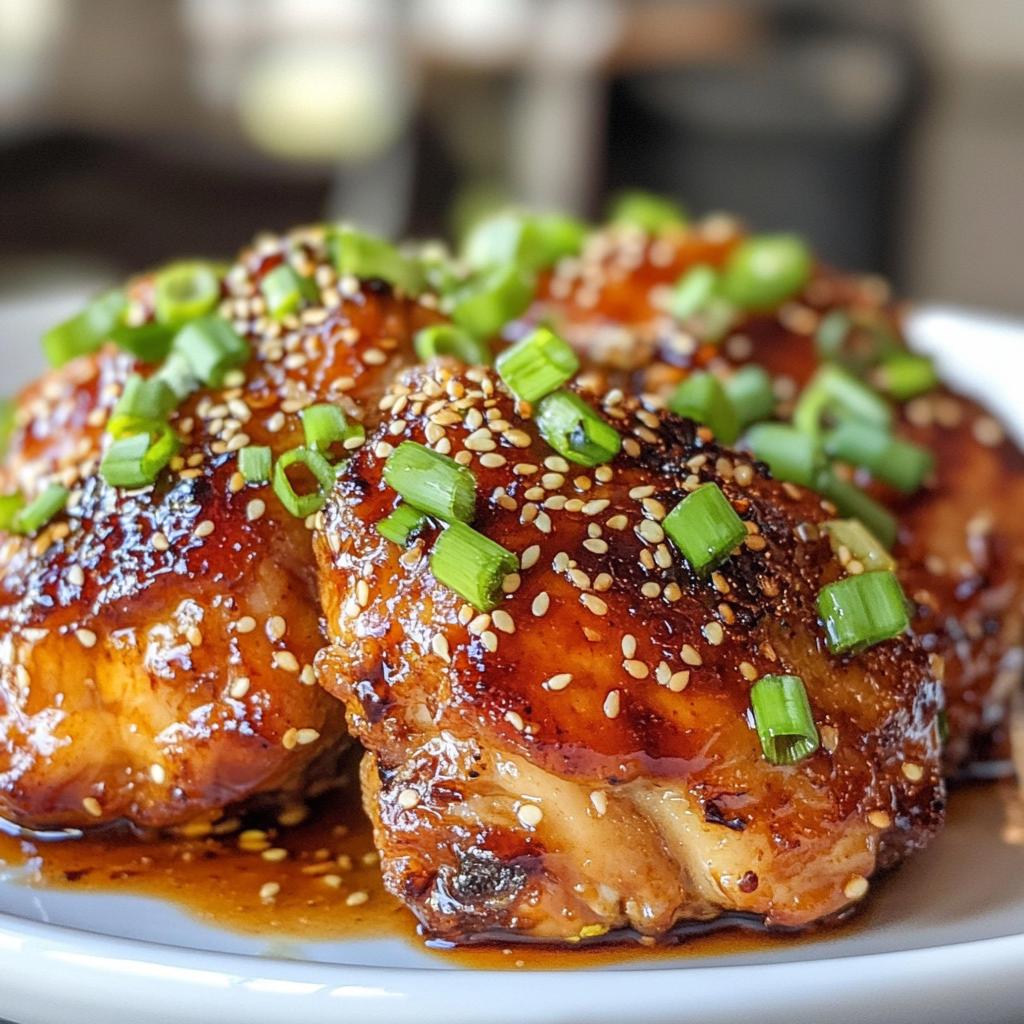
Oh my gosh, you have to try this Korean chicken recipe – it’s my absolute go-to when I’m craving something packed with flavor but don’t want to spend hours in the kitchen. The first time I made it, I couldn’t believe how crispy the skin got while keeping the meat underneath ridiculously juicy. That perfect balance comes from the magic combo of gochujang (that amazing Korean chili paste) and just the right amount of honey for sweetness. Trust me, once you’ve had chicken thighs cooked this way – with all those garlicky, gingery, sesame flavors – you’ll never go back to boring chicken dinners again. It’s become my little secret for impressing friends without telling them how embarrassingly easy it is to make!
Why You’ll Love This Korean Chicken Recipe
Seriously, what’s not to love? This Korean chicken recipe checks all the boxes:
- Crazy flavorful: That gochujang-honey-garlic combo? Absolute fireworks in your mouth.
- Textural perfection: Crispy, caramelized skin giving way to juicy, tender thighs – every bite’s a dream.
- Weeknight magic: From fridge to plate in under 30 minutes (yes, really!).
- Foolproof: Even if you burn toast regularly, you can nail this one.
- Leftover hero: Tastes even better the next day – if it lasts that long!
Ingredients for the Best Korean Chicken Recipe
Okay, let’s talk ingredients – because using the right stuff makes all the difference between “meh” and “WOW” with this recipe. I’ve made this enough times to know exactly what works (and what doesn’t). Here’s your shopping list for crispy, sticky, finger-licking-good Korean chicken:
- 500g chicken thighs (bone-in or boneless, but always skin-on) – Trust me, the skin is non-negotiable for that perfect crispiness. Thighs stay juicier than breasts too.
- 2 tbsp soy sauce – Regular or light soy sauce both work, but don’t use dark soy – it’s too intense here.
- 1 tbsp gochujang (Korean chili paste) – The star ingredient! Find it in Asian grocery stores. Mild or spicy – your call.
- 1 tbsp honey – The magic sweetener that balances the heat. If it’s cold, warm the jar in hot water to measure easily.
- 2 cloves garlic, minced (about 2 tsp) – Fresh only! None of that pre-minced stuff. More if you’re garlic-obsessed like me.
- 1 tsp ginger, grated – Peel it first, then grate it fresh. Your nose will tell you why – that zing!
- 1 tbsp sesame oil – The good, toasted kind. It smells like heaven when it hits the hot pan.
- 1 tbsp rice vinegar – That subtle tang cuts through the richness. Apple cider vinegar works in a pinch.
- 1 tsp black pepper – Freshly ground if you can. The floral notes make a difference.
- 1 tbsp sesame seeds + extra for garnish – Because everything’s better with that toasty crunch.
- 2 green onions, chopped – For that fresh finish. I use both green and white parts.
See? Nothing crazy here – just simple ingredients that transform ordinary chicken into something extraordinary. Pro tip: measure everything before you start cooking. Things move fast once that chicken hits the pan!
How to Make Korean Chicken Recipe
Alright, let’s get cooking! This Korean chicken comes together in four simple steps that even my kitchen-disaster-prone cousin can follow. The key is not rushing – give that marinade time to work its magic, and don’t peek at the chicken while it’s cooking! Here’s exactly how I make it every single time:
Step 1: Prepare the Marinade
Grab your favorite mixing bowl – I use this chipped blue one that’s seen more marinades than I can count. Whisk together:
- The soy sauce and gochujang first until they’re best friends
- Then drizzle in the honey while whisking (trust me, this prevents clumping)
- Toss in the garlic and ginger – breathe in that amazing aroma!
- Finish with sesame oil, rice vinegar, and black pepper
The marinade should look like glossy, reddish-brown lava – thick enough to coat the back of a spoon. Taste it! Want more heat? Add a pinch more gochujang. Too spicy? A teaspoon more honey balances it perfectly.
Step 2: Marinate the Chicken
Now, the most important step – patience! Place your chicken thighs in a shallow dish or zip-top bag. Pour that gorgeous marinade over them, then get your hands in there (wash them first!). Massage every inch – especially under the skin if you’re using skin-on. Those flavors need to penetrate!
Cover and let it sit at room temp for 30 minutes minimum – this is non-negotiable for flavor. If you’ve got time? An hour in the fridge makes it even better. Just don’t exceed 2 hours or the vinegar starts changing the chicken’s texture (learned that the hard way!).
Step 3: Cook the Chicken
Heat your pan over medium-high – I use my trusty cast iron skillet. No oil needed (that skin has enough fat!). When a drop of water sizzles, lay the thighs in gently, skin-side down. Hear that glorious sizzle? That’s the sound of crispy chicken dreams coming true!
Now walk away. Seriously. No peeking for 6 minutes – this builds that perfect crust. Flip carefully (tongs work best), then another 6 minutes. The chicken’s done when juices run clear and internal temp hits 75°C. Pro tip: If the skin’s browning too fast, lower the heat slightly.
No stove? Bake at 200°C for 20 minutes skin-side up, or grill over medium coals for that smoky char!
Step 4: Garnish and Serve
Transfer your golden beauties to a plate – that sticky glaze will try to steal some chicken skin, but resist! Sprinkle generously with sesame seeds and green onions while hot – the residual heat wakes up their flavors. I always make extra garnish because someone (usually me) picks at it straight from the bowl.
Let the chicken rest 3 minutes – this keeps it juicy when you cut in. Then dig in! The first bite should give you that perfect crunch followed by tender, flavor-packed meat. Warning: You might catch yourself licking the plate. No judgment here!
Tips for Perfect Korean Chicken Recipe
After making this recipe more times than I can count (my friends keep begging for it!), I’ve picked up some game-changing tricks that take it from good to “can I have your recipe?” status. Here are my absolute must-know tips:
- Gochujang control: New to Korean spice? Start with 1/2 tbsp gochujang and taste the marinade. You can always add more – but you can’t take it out once it’s too fiery!
- Skin is everything: That crispy skin isn’t just for looks – it locks in juices. If your store only has skinless thighs, brush them with a little extra sesame oil before cooking.
- Marinade multitasker: Double the sauce recipe and use half for basting while cooking. Just keep a separate brush for raw chicken to avoid cross-contamination.
- Pan choice matters: Cast iron or stainless steel pans give the best sear. Nonstick works but won’t get quite as crispy (still delicious though!).
- Rest then devour: Let the cooked chicken sit 3 minutes before serving. I know it’s hard to wait, but this keeps all those precious juices inside.
- Kimchi is your friend: The tangy crunch of kimchi cuts through the richness perfectly. Even my kimchi-skeptic friends admit it’s a match made in heaven.
- Rice trick: Spoon any pan drippings over steamed rice – it’s like edible gold. I’ve seen grown adults fight over the last saucy spoonful!
One last thing – don’t stress about perfection. Even my “oops” batches (like the time I forgot the sesame oil) still disappeared fast. That’s the beauty of this recipe – it’s forgiving and always delicious!
Korean Chicken Recipe Variations
Listen, I know we all get those “what if…” moments in the kitchen. What if I’m out of honey? What if I want to sneak in some veggies? Here’s the good news – this Korean chicken recipe is crazy versatile! These are my favorite twists that still keep that signature flavor:
- Sweetener swap: Ran out of honey? Brown sugar works beautifully – use 1 tbsp packed. Maple syrup adds a fun autumnal twist too!
- Veggie boost: Toss in bell peppers or onions during the last 5 minutes of cooking. They soak up that amazing sauce like little flavor sponges.
- Heat lovers: Add 1/2 tsp Korean chili flakes (gochugaru) to the marinade for extra fire. My brother does this and sweats happily through every bite!
- Pineapple twist: A tablespoon of crushed pineapple in the marinade adds tropical sweetness that plays surprisingly well with the spice.
- Bone-in version: Use chicken drumsticks or wings – just increase cooking time to 8-10 minutes per side. Perfect for game day!
- Extra crispy: After cooking, pop the chicken under the broiler for 1-2 minutes. Watch closely – that sugar caramelizes fast!
The beauty of this recipe? It’s like your favorite pair of jeans – you can dress it up or down however you like. Just promise me you’ll try the original version first before playing mad scientist!
Serving Suggestions for Korean Chicken Recipe
Now for the best part – loading up your plate with all the delicious things that make this Korean chicken sing! Here’s how I love to serve it (though honestly, it’s amazing straight from the pan too):
- Steamed rice: The classic pairing – that fluffy white rice soaks up every last drop of sauce. I use short-grain for extra stickiness.
- Quick pickled radish: That tangy crunch cuts through the richness. Store-bought works, but my 10-minute vinegar soak on sliced daikon is even better.
- Lettuce wraps: For a lighter meal, wrap chicken pieces in butter lettuce with a smear of ssamjang (Korean dipping sauce). Messy but worth it!
- Kimchi: Obviously. The spicy fermented cabbage is practically made for this chicken. Even the juice makes a great drizzle.
- Cooling sides: When I’ve gone heavy on the gochujang, cucumber slices or a simple cabbage slaw balance the heat perfectly.
- Soju or beer: Because adults deserve pairings too! The crisp drinks cut through the sticky-sweet glaze like a dream.
My golden rule? Keep it simple. This chicken shines brightest with just 2-3 sides max. Any more and you’ll miss the magic of that crispy-skinned, sauce-drenched perfection!
Storage and Reheating Instructions
Okay, confession time – I rarely have leftovers because this Korean chicken disappears so fast in my house! But on the off chance you do (maybe you hid some from your family?), here’s exactly how to keep it tasting amazing:
Storing leftovers: Let the chicken cool completely first – no more than 2 hours at room temp. Then pop it in an airtight container in the fridge. That sticky glaze actually gets more flavorful overnight! Just eat it within 3 days – after that, the texture starts changing.
Reheating magic: Here’s my foolproof method to bring back that crispy skin:
- Skillet method: Heat a teaspoon of oil in a pan over medium. Add chicken skin-side down for 2 minutes until crispy again, then flip for 1 minute to warm through. Works like a charm!
- Oven hack: Place chicken on a rack over a baking sheet at 180°C for 8-10 minutes. The circulating air keeps it crispy.
What NOT to do: Microwaving turns the skin rubbery – tragic! If you must microwave, do it at 50% power for short bursts with a damp paper towel over the chicken.
Pro tip: The marinade keeps well in the fridge for up to a week. I often make extra to use as a glaze for roasted veggies or as a dipping sauce (just boil it first to kill any bacteria from the raw chicken).
Korean Chicken Recipe FAQs
I get asked these questions ALL the time when friends try this recipe – so let me save you the text messages and answer them right here! These are the burning questions (sometimes literally, if you go heavy on the gochujang!) that pop up most often:
Can I use chicken breasts instead of thighs?
Yes, but… thighs win for juiciness every time! Breasts work in a pinch – just pound them evenly to 1.5cm thick and reduce cooking time to 4-5 minutes per side. Watch them closely though – they dry out faster than forgiving thighs.
How spicy is this recipe really?
With 1 tbsp gochujang, it’s a gentle warmth – like a cozy blanket, not a five-alarm fire! Start with 1/2 tbsp if you’re spice-shy. My 7-year-old niece eats the mild version happily (with extra honey drizzle). Want more kick? Add 1/4 tsp cayenne or extra gochugaru.
Can I bake this instead of pan-frying?
Absolutely! Bake at 200°C for 18-20 minutes skin-side up on a rack. The skin won’t get quite as crispy, but broil for the last 2 minutes to fix that. I do this when cooking big batches for parties – just space the thighs so they don’t steam.
Why isn’t my chicken skin crispy?
Three likely culprits: 1) You peeked too soon – leave it alone for the full 6 minutes! 2) The pan wasn’t hot enough – wait until water droplets dance before adding chicken. 3) You crowded the pan – give each thigh breathing room. Fix it next time by patting the skin extra dry before cooking.
Can I make this ahead for meal prep?
You bet! Marinate thighs up to 24 hours ahead (flavor bonus!) and cook when ready. Leftovers keep beautifully for 3 days – reheat as instructed above. Pro tip: Pack the garnish separately so it stays fresh and crunchy.
Nutritional Information
Okay, let’s talk numbers – but remember, I’m a home cook, not a lab technician! These estimates are based on my exact recipe using standard ingredients. Your mileage may vary depending on brands, exact measurements (who doesn’t sneak an extra drizzle of honey sometimes?), and whether you lick the plate clean (no judgment!). Here’s the breakdown per serving:
- Calories: About 350 kcal – totally worth every single one!
- Fat: 18g (4g saturated) – mostly from that glorious chicken skin and sesame oil
- Protein: 30g – chicken thighs pack a protein punch
- Carbs: 15g (mostly from the honey and gochujang)
- Sugar: 8g (natural from honey, not added junk)
- Sodium: 800mg (the soy sauce does most of the heavy lifting here)
A few quick notes from my kitchen experiments:
- Skinless thighs cut the fat nearly in half (but sacrifice that amazing crispiness)
- Using low-sodium soy sauce drops the sodium by about 30%
- Subbing honey with sugar-free syrup? You’ll save about 5g sugar per serving
Honestly? I don’t stress about the numbers too much with this recipe. It’s packed with real ingredients and balanced flavors – way better than any processed “diet” food! Just enjoy every crispy, juicy, flavor-packed bite.
Print
31-Minute Korean Chicken Recipe That’s Irresistibly Crispy
- Total Time: 22 minutes
- Yield: 2 servings 1x
- Diet: Low Lactose
Description
A simple and delicious Korean-style chicken dish that’s crispy on the outside and juicy on the inside.
Ingredients
- 500g chicken thighs, boneless and skin-on
- 2 tbsp soy sauce
- 1 tbsp gochujang (Korean chili paste)
- 1 tbsp honey
- 2 cloves garlic, minced
- 1 tsp ginger, grated
- 1 tbsp sesame oil
- 1 tbsp rice vinegar
- 1 tsp black pepper
- 1 tbsp sesame seeds
- 2 green onions, chopped
Instructions
- Mix soy sauce, gochujang, honey, garlic, ginger, sesame oil, rice vinegar, and black pepper in a bowl.
- Coat the chicken thighs evenly with the marinade and let sit for 30 minutes.
- Heat a pan over medium-high heat and cook the chicken for 6 minutes on each side.
- Sprinkle sesame seeds and green onions on top before serving.
Notes
- You can grill or bake the chicken instead of pan-frying.
- Adjust gochujang for more or less spice.
- Serve with steamed rice and kimchi.
- Prep Time: 10 minutes
- Cook Time: 12 minutes
- Category: Main Course
- Method: Pan-Frying
- Cuisine: Korean
Nutrition
- Serving Size: 250g
- Calories: 350
- Sugar: 8g
- Sodium: 800mg
- Fat: 18g
- Saturated Fat: 4g
- Unsaturated Fat: 10g
- Trans Fat: 0g
- Carbohydrates: 15g
- Fiber: 1g
- Protein: 30g
- Cholesterol: 100mg
Keywords: Korean chicken, spicy chicken, easy chicken recipe